- HBX Group and NYU Tisch Center researchers studied how Gen Z views travel personalization.
- Gen Z likes personalization when it feels transparent, helpful, and human.
- They do not want tech to “decide”—they want a travel partner, not a digital parent.
- 65% travel for leisure, with 28% traveling mainly to visit family and friends.
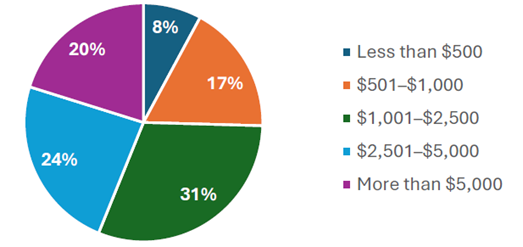
- Annual travel spend: 31% $1,000–$2,500, 24% $2,500–$5,000, and 1 in 5 over €5,000.
- Best personalization: restaurants & local activities (75%), then hotel/flight offers (64%), then imaginative itineraries (45%).
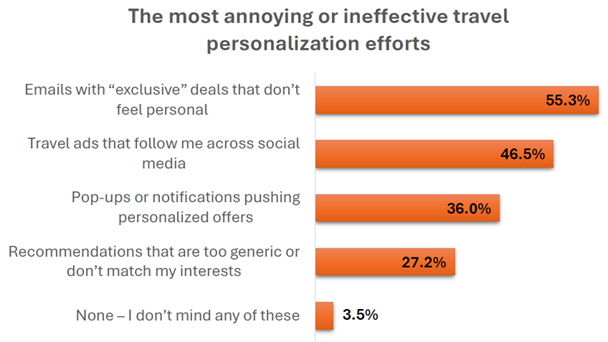
- Worst personalization: generic promo messages and fake “exclusive” emails (55% dislike), plus intrusive ads.
HBX Group (HBX.SM), one of the most prominent players in B2B travel tech, has released a report on Gen Z and personalization—because apparently every travel brand on Earth is still trying to figure out how to talk to young travelers without sounding like a robot selling deodorant.
The study, produced with New York University’s Jonathan M. Tisch Center of Hospitality (with consultant professors Dr. Recep “Richie” Karaburun and Dr. Olena Ciftci), is titled “Generation Z and the Future of Personalized Travel Experience.” It blends quantitative and qualitative research and focuses on travelers born between 1997 and 2012.
And the central conclusion is beautifully simple:
Gen Z does not hate personalization. They hate manipulation.
Gen Z Wants a Travel Partner, Not an Algorithmic Dictator
Older generations often tolerated personalization as the price of convenience. Gen Z is different. They grew up online, yes—but that does not mean they want a machine steering their choices like a shopping cart.
The report suggests Gen Z welcomes personalization only when it feels:
- transparent
- empowering
- authentic
They want technology to assist—not to dictate. A brand that “knows them” is not impressive. A brand that respects them is.
As Javier Cabrerizo, HBX Group’s Chief Strategy and Transformation Officer, puts it:
“For Gen Z, personalization isn’t about algorithms—it’s about understanding. They want brands that combine technological precision with human authenticity, building relationships based on trust and transparency.”
Translation: Stop stalking them with ads. Start helping them travel smarter.
How Gen Z Travels (and Where the Money Actually Goes)
The research portrays Gen Z as practical and socially aware, obsessed with authenticity but unwilling to endure unnecessary hardship for it. They want travel that feels real and affordable.
Key habits:
- 65% travel for leisure
- 28% travel mainly to visit family and friends
And the spending data is where the industry should pay attention, because this is not a generation “too broke to travel.” They spend differently—and with sharper judgment.
Annual travel spend:
- 31% spend $1,000–$2,500
- 24% spend $2,500–$5,000
- One in five spends over €5,000 per year
Yes, Gen Z is budget-conscious and still prioritizes travel.
Personalization: Welcome When Helpful, Hated When Creepy
The best part of the study is how clearly Gen Z explains its boundaries.
They like tailored recommendations:
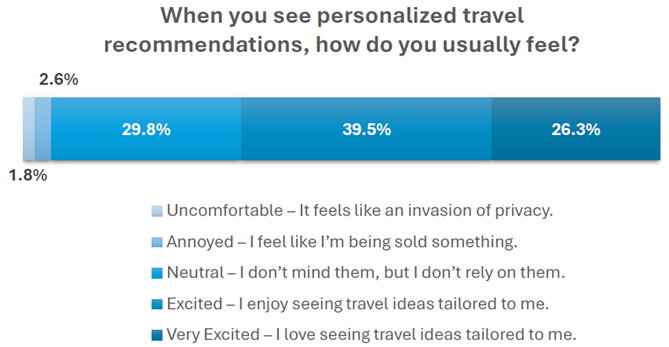
- 26% firmly in favor
- 40% in favor
Only a small portion reacted negatively—and when they did, it was rarely about the concept itself. It was about the lack of transparency and the feeling that “personalization” is just marketing dressed as friendship.
As Cabrerizo bluntly summarizes:
“Gen Z doesn’t reject personalization—they reject opacity.”
This is the line in the sand:
If personalization is honest, it is useful. If it is sneaky, it is offensive.
What Personalization Works Best
Gen Z is not asking for futuristic magic. They want something simpler:
Give me good ideas that fit my taste, without treating me like a wallet.
Top personalization features:
- Restaurant and local activity recommendations (75%)
- Personalized hotel & flight offers (64%)
- Imaginative itineraries based on interests (45%)
What they really crave is local flavor—recommendations that feel curated and culturally rooted, not a generic “Top 10 Things To Do” list that could apply to any country.
What They Hate (And Brands Keep Doing Anyway)
Now comes the part that should be tattooed on the forehead of every travel marketer.
Most disliked personalization:
- generic promotional messaging
- fake “exclusive” emails that feel mass-produced (55% dislike)
- ads that follow them around social media
- intrusive pop-ups
Gen Z does not mind being guided. They mind being hunted.
The best personalization feels like a local friend whispering good tips. The worst feels like a salesman jumping out from behind a digital bush.
The Real Future: Less Segmentation, More Respect
The report ends with a point the travel industry often avoids: personalization is emotional. The line between “useful” and “annoying” is thin, defined by:
- authenticity
- empathy
- context
Gen Z responds best when brands anticipate needs without controlling choices, respect budgets, and connect them to local culture.
The future is not just about smarter algorithms.
It is a more intuitive behavior.
Brands that win will be the ones that make travelers feel:
- understood
- empowered
- inspired
Not targeted.
