- DEYA Selinou reports “exorbitant” annual costs due to avoidable sewer blockages.
- Non-biodegradable items like baby wipes and hygiene products are paralyzing pumping stations.
- Improper disposal threatens the coastal environment and local health standards.
- Authorities issue a “zero tolerance” plea for what goes down the toilet.
- Blockages lead to emergency roadworks and infrastructure failures during peak season.
Palaiochora is often called the “Libyan Queen,” a town defined by its dual coastlines and laid-back atmosphere. But beneath the charming cobblestones and taverna tables, a modern crisis is brewing. The local water and sewage authority, DEYA Selinou, has issued an urgent bulletin highlighting the growing friction between modern travel habits and traditional Mediterranean infrastructure. Every year, the municipality is forced to divert a significant portion of its budget to emergency repairs—funds that could otherwise be spent on tourism enhancements.
The Myth of the Flushable Wipe
The primary antagonist in this story is the flushable wipe. Despite what the packaging might suggest, the pumping stations in Southern Crete are not designed to handle synthetic fibers. When these items—along with diapers and other personal hygiene products—hit the narrow pipes of an old coastal town, they don’t dissolve. They bind together, creating “fatbergs” that seize mechanical pumps and cause backups that can shut down entire blocks.
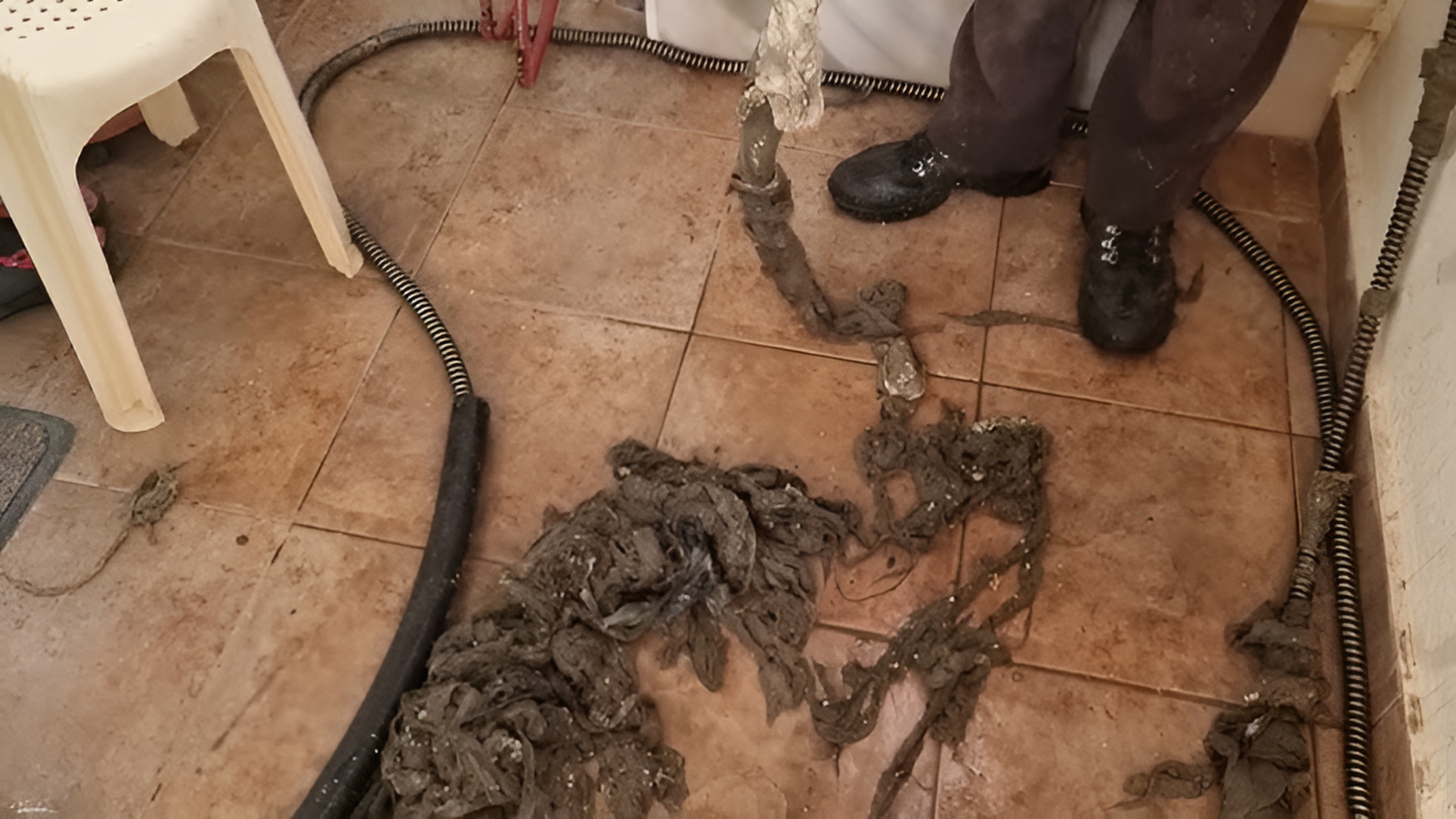
The No-Flush List
To ensure the system remains operational, DEYA Selinou asks that the following never be flushed:
- Wet wipes & baby wipes (even those labeled flushable)
- Sanitary napkins & tampons
- Diapers
- General personal hygiene products
A Shared Responsibility for Public Health
The message from the Directorate of DEYA Selinou is blunt: the sewage network is a collective asset, not a trash can. For a region that relies on its pristine “Blue Flag” status and the health of its waters, a sewer overflow isn’t just a nuisance; it’s an environmental threat. The authority is making a “strict recommendation” to all residents and visitors to use the provided waste bins for all non-liquid waste.
The goal is to prevent the emergency works that often lead to torn-up streets and closed storefronts in July and August. By following the simple local rule of “nothing in the bowl but toilet paper” (and even then, sparingly), visitors can also play a direct role in keeping Palaiochora the pristine destination they traveled so far to see.
