- A new five-star resort project under the name Fodele Hills is planned on the north coast of Heraklion.
- The project includes 298 beds and 126 private pools.
- Located near Fodele, the birthplace of El Greco.
- The area already hosts large resort complexes.
- Investment approved to move forward after environmental review.
A new large-scale tourism investment is moving forward on the northern coastline of Heraklion prefecture, following the Regional Committee for Environment and Spatial Planning of Crete’s positive opinion on the environmental impact study.
The project, owned by S. Giannikakis S.A., concerns the construction of a five-star hotel complex with a capacity of 298 beds, to be developed on an area of about 50 stremmata outside the settlement, in the coastal location known as “Gialos or Teloneio”.
According to the study, the resort will include a central reception building, restaurant, commercial areas, and 38 separate building units designed to offer increased privacy for visitors, along with extensive shared leisure spaces, spa facilities, and organized parking areas.
The investment is promoted by S. Giannikakis S.A., the same company that operates the well-known Fodele Beach & Water Park Holiday Resort, suggesting that the new project may serve as an expansion of the existing tourism complex rather than a completely separate development.
The plan follows the familiar model of modern luxury resorts on the north coast: large, self-contained, and built to operate during the seasonal tourism period from May to October.
126 Private Pools and a Familiar Development Pattern
One of the most striking features of the project is the number of swimming pools.
The complex is expected to include:
- 3 large shared pools
- 126 private pools
- Total water surface exceeding 3,300 square meters
With a total construction area of around 10,000 square meters, the resort clearly falls into the category of high-end luxury developments that continue to reshape the coastline of northern Crete.
The investment is, in fact, a redesign of an older project that had already received environmental approval and building permits. Part of the foundations had been built, but the original design was considered outdated. It was revised to meet current five-star standards.
The hotel will be supplied with water from private boreholes. It will use modern energy and climate systems, while landscaped areas and recreation facilities are central to the concept.
Near Fodele, Where Development Never Stops
The wider Malevizi area has already attracted significant tourism investment in recent decades, and the new project, according to the study, is expected to strengthen the region’s high-end tourism profile and create new jobs.
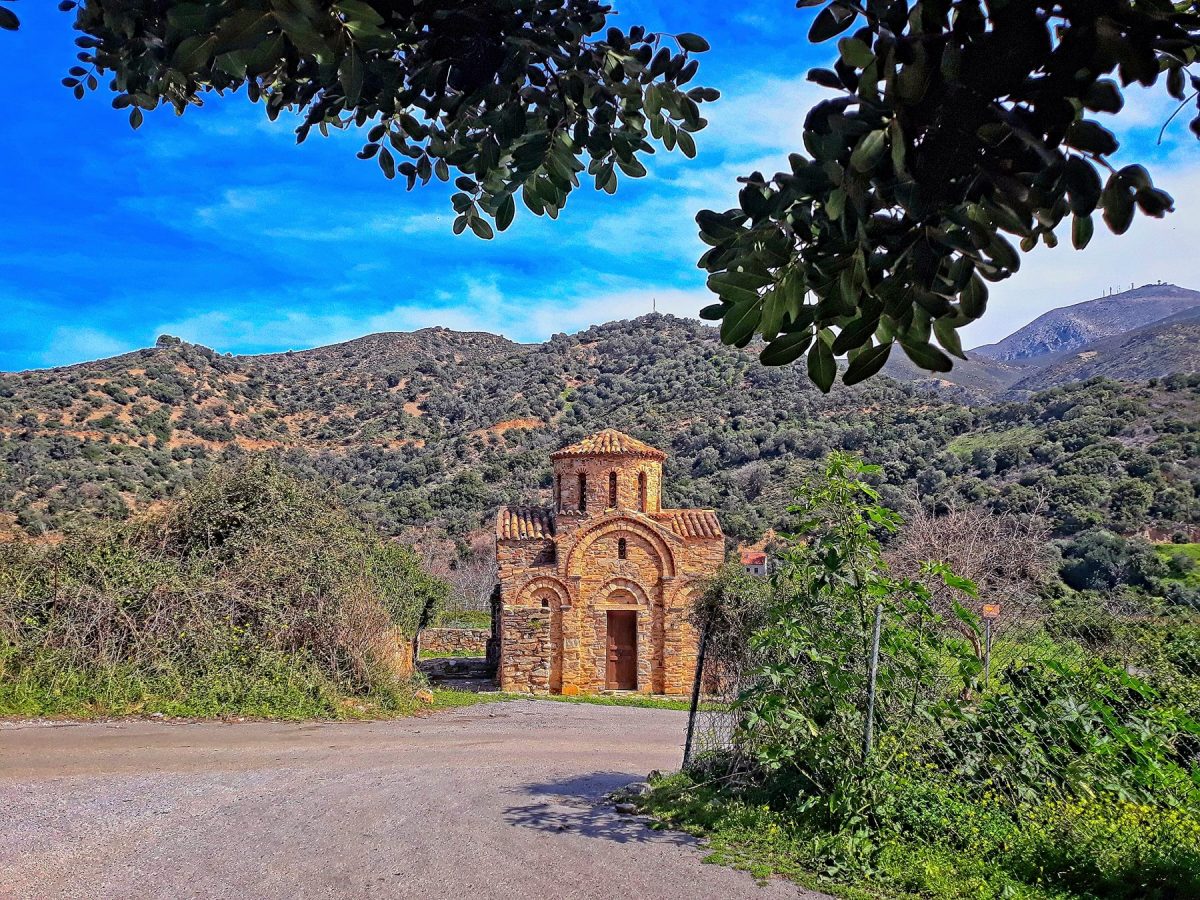
Still, the location draws attention because it lies close to Fodele, the village known as the birthplace of El Greco. This area already hosts one of the largest resort complexes on this part of the coast, the well-known Fodele Beach & Water Park Holiday Resort.
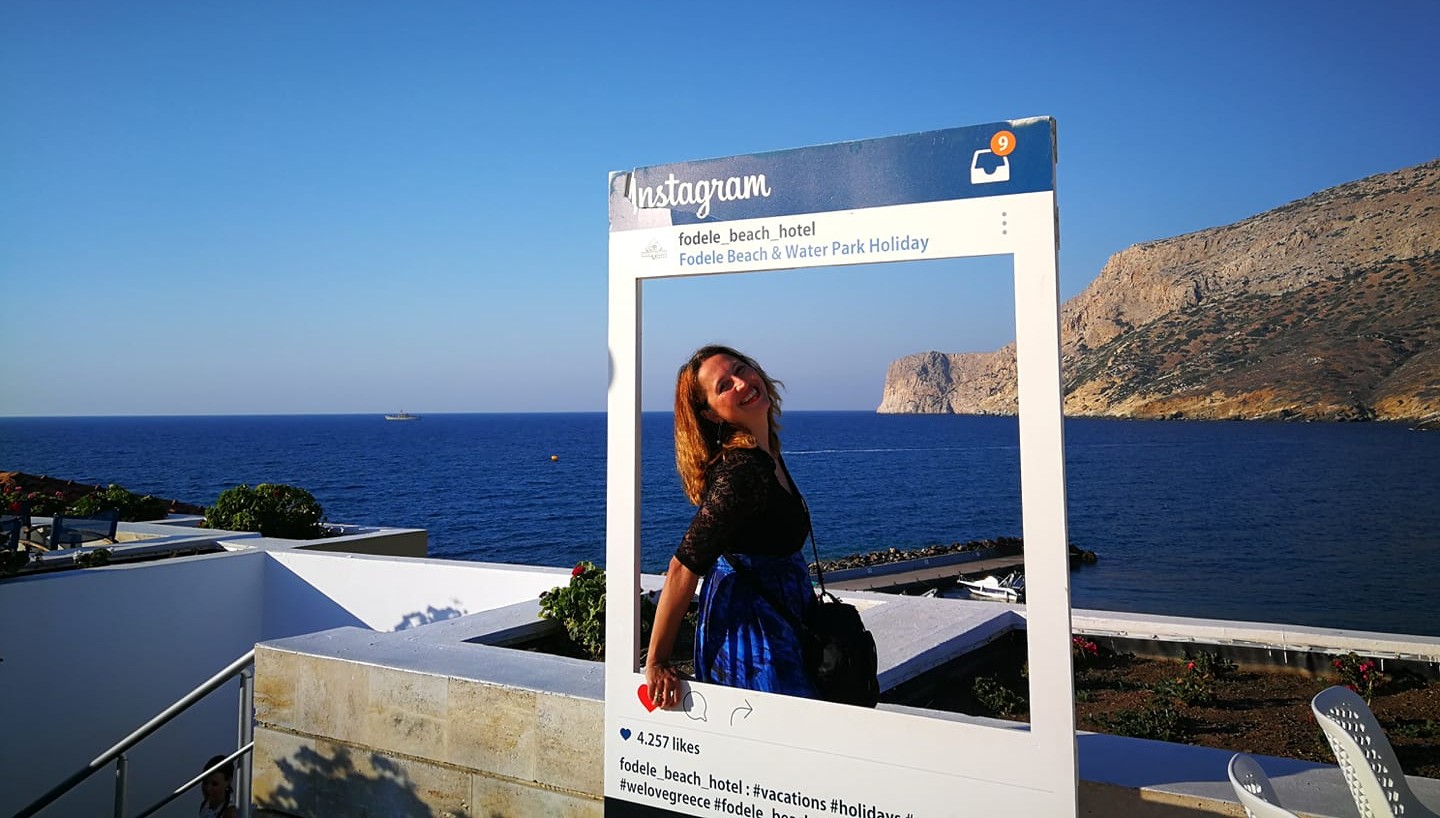
Many locals like the existing resort — it is lively, family-friendly, and part of the tourism economy of the region — but the steady addition of new large units raises the familiar question heard more and more often along the north coast: how much development is enough, and how many pools can one coastline hold before the landscape starts to look the same everywhere.
For now, the project moves to the next licensing stage. Like many similar investments in Crete, it promises jobs, growth, and an upgraded tourism product — while quietly adding one more large complex to a shore that is already very full.
A Green Valley that Always Had Water
Fodele is known as one of the few places on the north coast of Heraklion where water has never completely disappeared.
The Pantomantris River, also known as the Fodelianos, flows down from the mountains through a narrow green valley filled with orange and lemon groves, passes by the El Greco Museum in the village, and continues toward the coast before reaching the sea at the bay of Fodele.
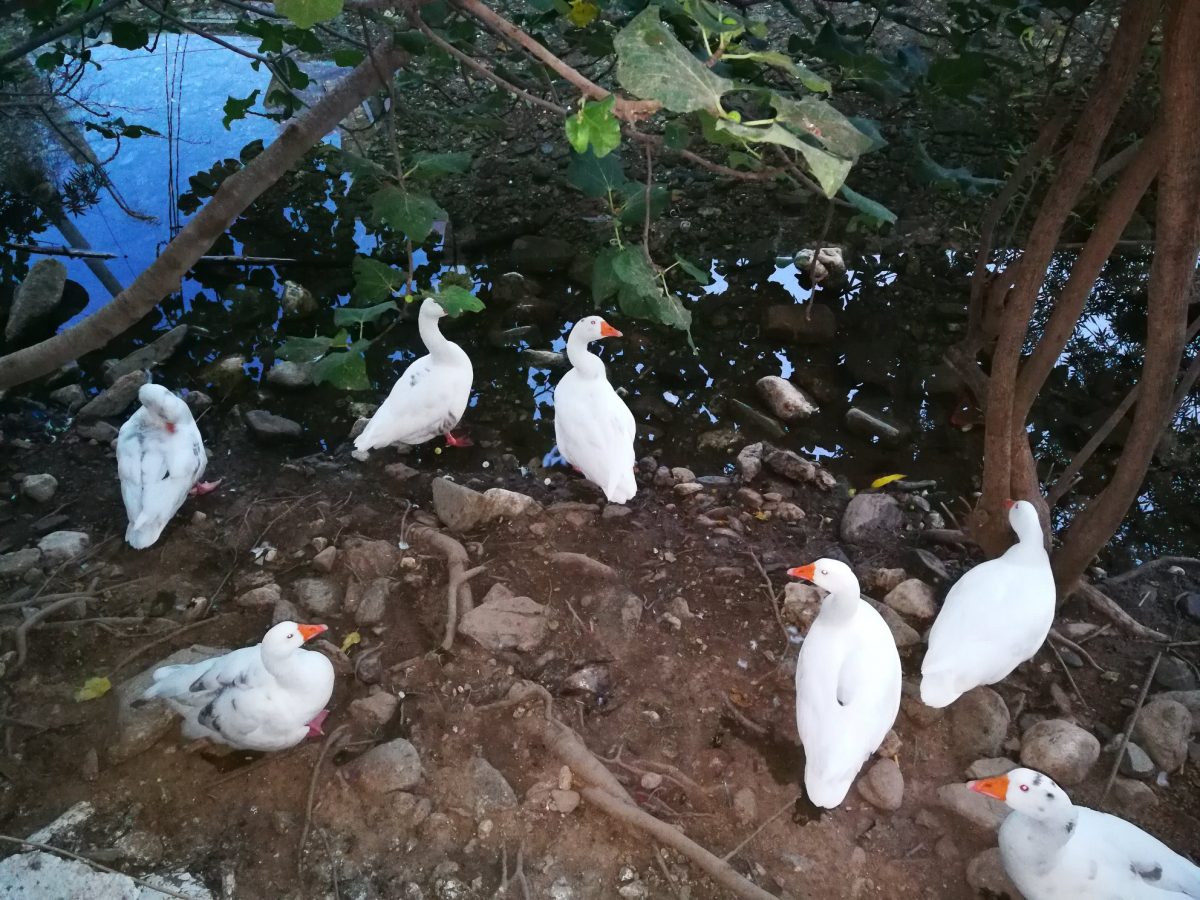
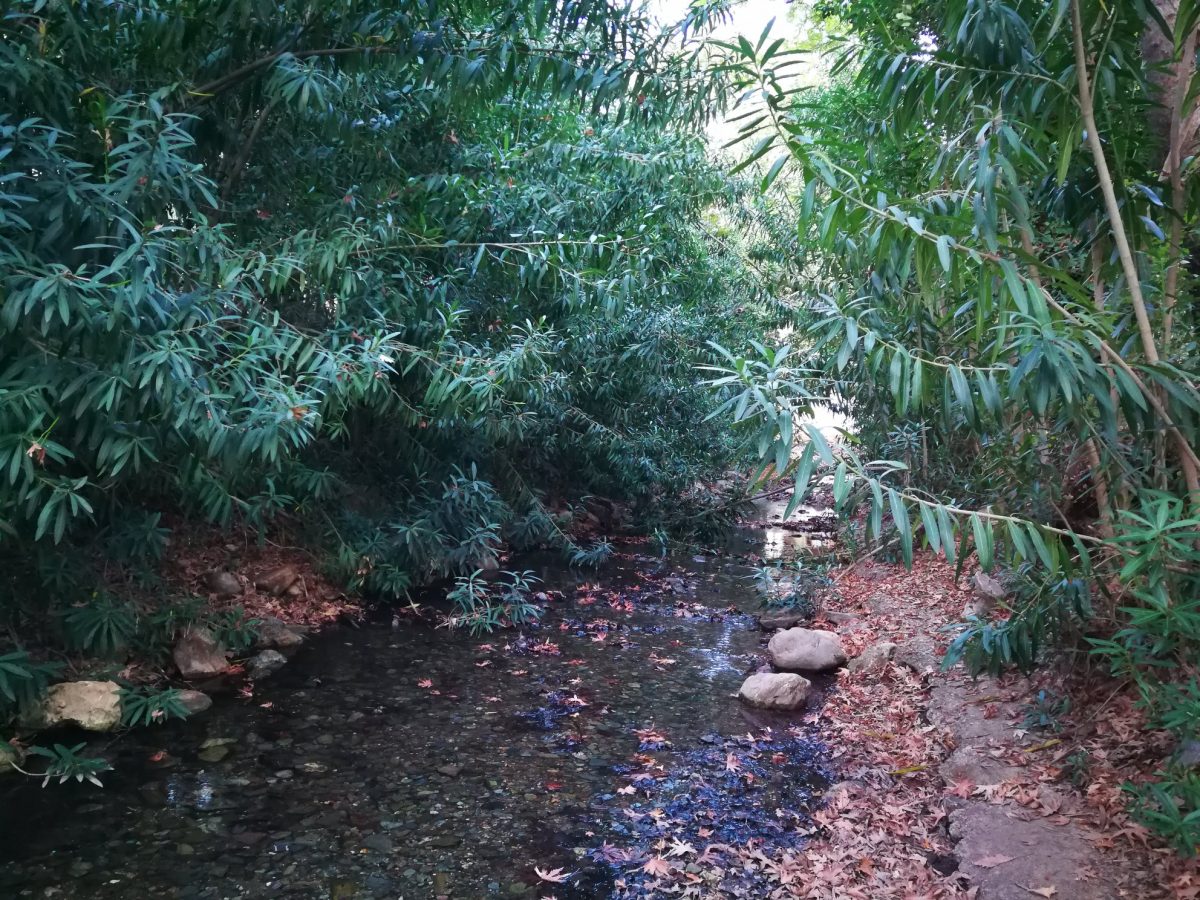
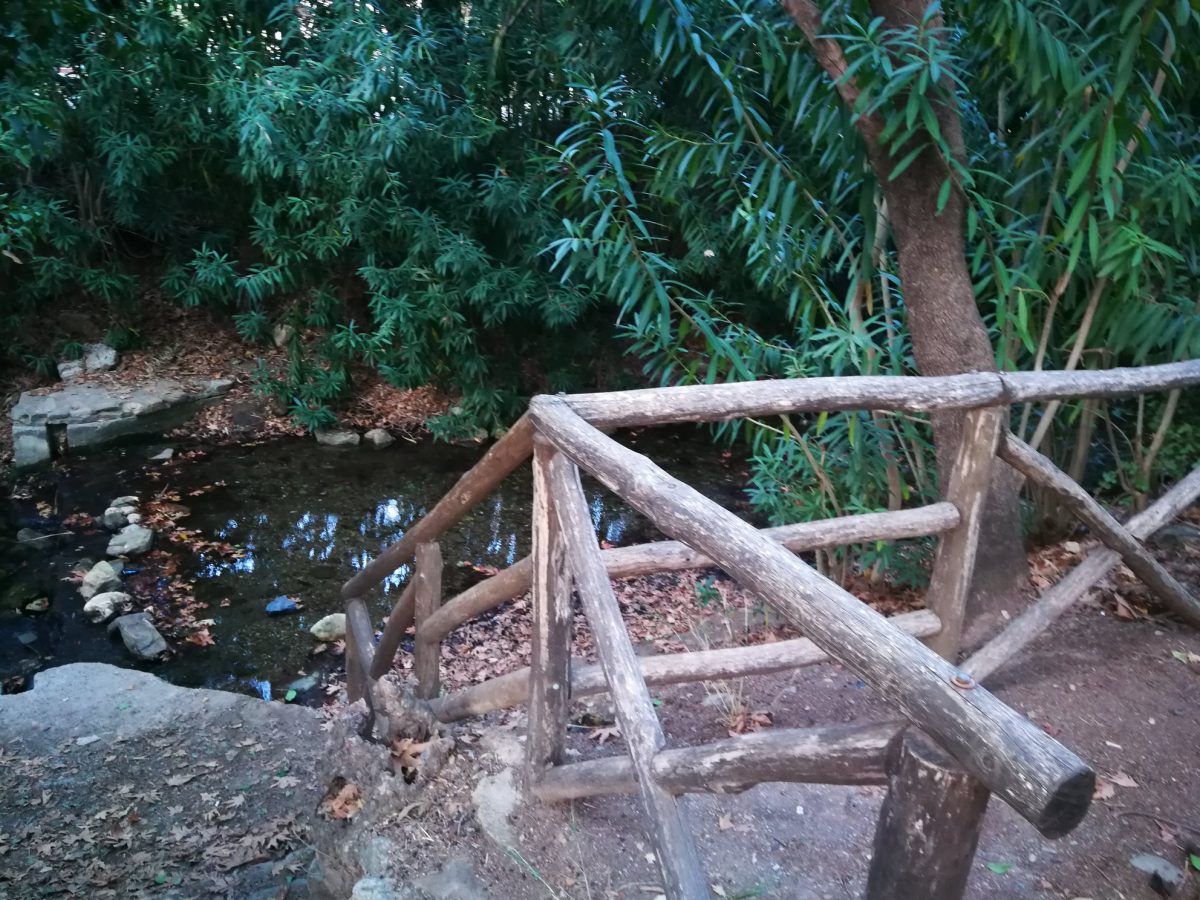
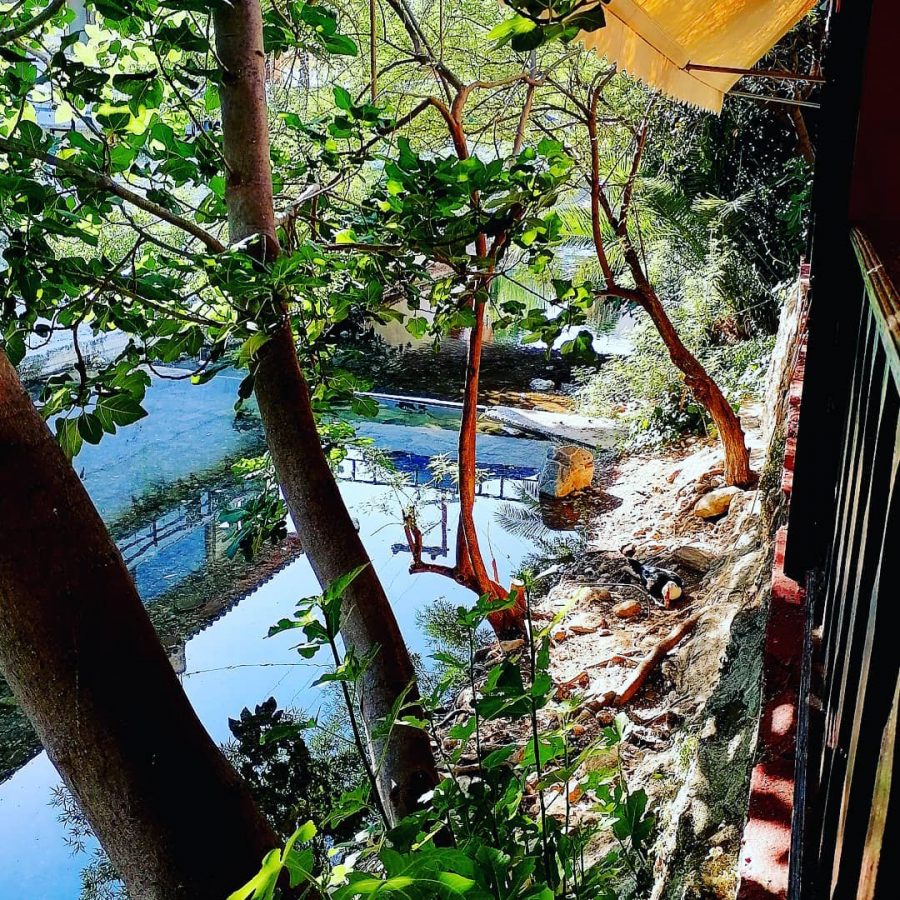
The small river is the reason the area has always looked greener than the surrounding coastline, even in dry years, and why Fodele developed as an agricultural village long before it became a tourism destination.
But the presence of a river does not mean unlimited water.
What was once enough for fields, houses, and a small village is not necessarily enough for modern resorts, hundreds of rooms, and dozens of swimming pools operating at the peak of summer.
Luxury Pools Meet a Dry Winter.
One detail not discussed in the investment study, but increasingly present in everyday conversation across Heraklion prefecture, is water.
The new resort is planned in an area that already relies heavily on groundwater and seasonal supplies, while the wider region faces another difficult year after a dry winter that left the Aposelemis Dam well below capacity. The reservoir, which supplies a large part of northern Crete, has been under pressure for several seasons, and local authorities have repeatedly warned about the need for careful water management during the summer months.
According to the project description, the hotel will cover its needs through private boreholes, a solution commonly used by large coastal units. Boreholes can usually cover everyday consumption for rooms, kitchens, and basic facilities. However, the scale of the development — including more than one hundred swimming pools — inevitably raises questions about long-term sustainability.
The plan includes:
- 3 shared pools
- 126 private pools
- more than 3,300 square meters of total water surface
At that point, the obvious question becomes unavoidable.
Will these pools use seawater or fresh water?
If they are filled with salt water, the impact may remain limited.
If they depend on fresh groundwater, the pressure on local resources could become significant, especially in a prefecture already struggling to balance tourism growth with limited rainfall.
This is not the first time the north coast of Heraklion has faced that dilemma. Between new hotels, expanding resorts, agriculture, and growing summer demand, every new investment now comes with the same silent question attached to it: not whether it will be built, but whether the island has enough water for everything it wants to become.
