- Most people you meet while traveling are decent. Patterns matter more than appearances.
- Rapid intimacy, isolation attempts, and alcohol pressure are early warning signs.
- Boundary testing often starts small and escalates gradually.
- Trust behavior, not charm.
- If pressured, move toward authority — staff, bouncers, police.
- Traveling alone is still one of the most empowering experiences in the world.
Travel is liberation. Movement sharpens instinct. Airports, ferries, narrow alleys in old towns, sunrise buses to beaches — these are places where women rediscover their own range.
But travel also compresses time. Strangers become “friends” in hours. Alcohol flows more easily. Novelty lowers defenses. Social anonymity increases boldness — for everyone.
This is not an article about fear. It is about pattern recognition.
Because when it comes to personal safety, behavior always escalates in stages.
And once you learn to read those stages, you stay ahead of them.
The Psychology of Rapid Intimacy
One of the most common red flags in travel environments is intimacy acceleration.
It sounds like this:
- “You feel different.”
- “I never tell anyone this, but…”
- “I feel like I’ve known you forever.”
Oversharing personal trauma within the first hour. Declaring emotional connection within a single evening. Suggesting exclusivity before trust has formed.
Travel creates a temporary world. Some people use that intensity to simulate closeness. Rapid bonding can feel flattering. It can also be strategic.
A healthy connection builds gradually. Manipulative closeness rushes.
If someone you met 45 minutes ago is treating you like a soulmate, slow down. Observe. Real intimacy does not panic when you set the pace.
Boundary Testing Starts Small
Red flags rarely arrive shouting. They whisper.
It begins with:
- A light touch that lingers too long.
- A joke with a sexual undertone.
- A comment about your body disguised as humor.
- Ignoring a small “no.”
The key is not the action itself. It is the response to correction. When you say, “I’m not comfortable with that,” what happens next? A respectful person recalibrates immediately. A manipulative one laughs, minimizes, reframes, or pushes back. Boundary calibration is incremental. If someone pushes once and then twice, expect a third escalation. Trust the pattern, not the apology.
The Drink Strategy
It is almost cliché.
“May I offer you a drink?”
You already have one. It is in front of you. You say no, politely. They insist. They frame it as generosity. Hospitality. Romance.
Here is the behavioral principle: pressure around alcohol is rarely about kindness.
Watch for:
- Encouraging you to drink faster.
- Ordering for you without asking.
- Mocking your refusal.
- Saying, “Come on, live a little.”
Alcohol lowers reaction time and decision clarity. That is not an accident. A respectful stranger accepts your first no. If they do not, the drink was never the point.
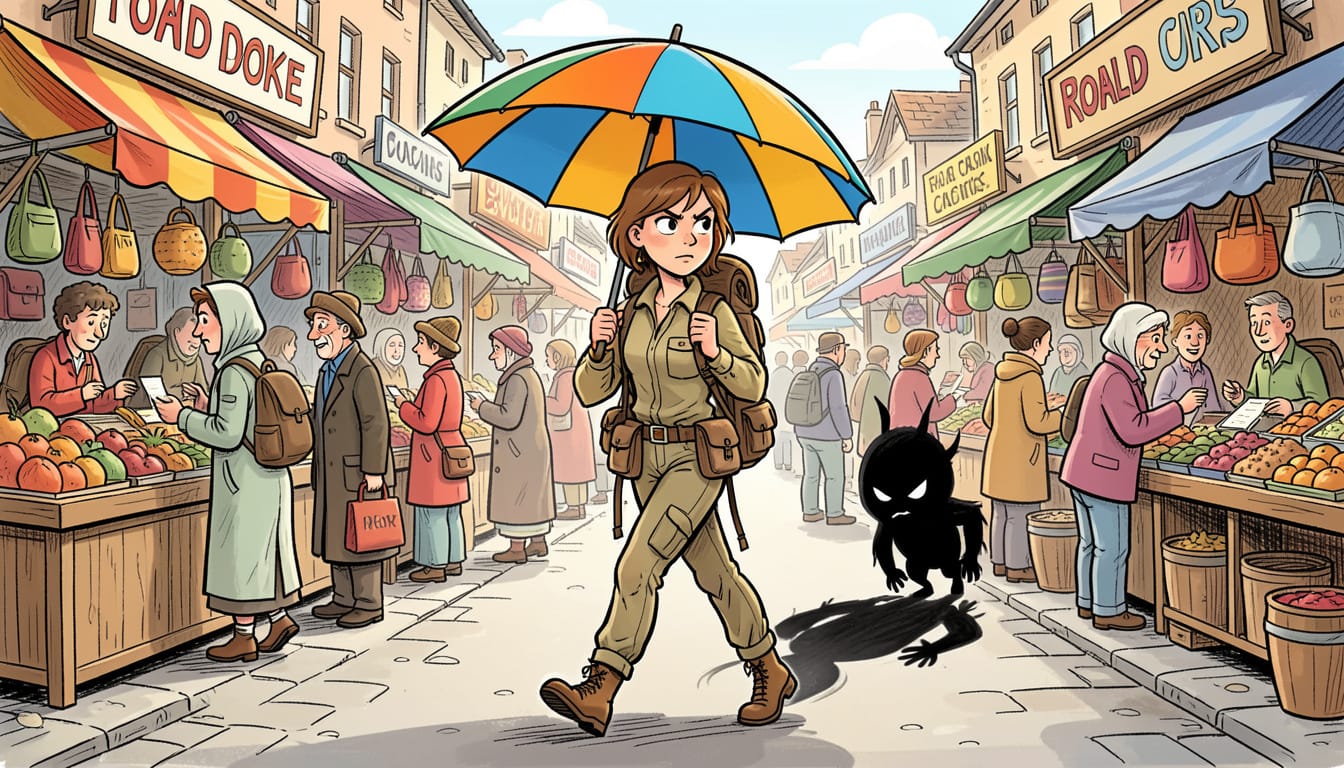
Isolation Maneuvers
Another common pattern: relocation.
“Let’s go somewhere quieter.”
“I know a better bar.”
“Let me show you something special.”
Moving you from a public, populated space to a private or poorly lit one is a classic escalation step. Isolation increases vulnerability. It reduces witnesses. It shifts control. If someone pressures you to leave a crowded area against your instinct, pause. You do not owe spontaneity. You owe yourself safety.
Manufactured Protection
Some manipulation comes disguised as concern.
“You should not be walking alone.”
“Let me take care of you.”
“You do not know this city like I do.”
It sounds protective. It feels helpful.
But watch the undertone: is your competence being subtly undermined. True assistance empowers you. Strategic assistance creates dependency.
If someone repeatedly frames you as fragile while positioning themselves as necessary, a power dynamic is forming. And power dynamics rarely improve when privacy increases.
What To Do When Pressure Escalates
You do not debate. You reposition.
Move physically toward:
- A bartender.
- A bouncer.
- Hotel reception.
- A group of women.
- A police officer.
Do not explain your discomfort in detail. State clearly:
“This person is making me uncomfortable.”
Most hospitality staff are trained to respond quickly. Travel safety is about mobility. If something feels off, shift location immediately. There is no social obligation stronger than your intuition.
Behavioral Travel Is Not Paranoia
It is important to say this: the world is not filled with monsters.
Most people you meet while traveling are kind, curious, and respectful. Many lifelong friendships begin on buses and ferry decks. The goal is not suspicion. It is awareness.
Patterns reveal intention more reliably than appearances ever will. Charm is easy. Consistent respect is harder.
Why Solo Travel Is Still Worth It
Traveling alone builds competence. It sharpens perception. It expands internal territory.
When you learn to recognize red flags early, fear decreases — not increases. Because you know what to look for. You know what to ignore. You know how to exit. Only women need to stop traveling. They need to trust their pattern recognition. Notice the pushy drink offer, the rushed intimacy, the boundary test.
And if someone keeps pushing? Walk toward authority. Walk toward the light. Walk toward the noise. You do not owe anyone politeness at the cost of your safety.
