- Export Surge: Greek food exports skyrocketed to €9 billion in 2025, a 70% increase since 2020.
- The Big Four: Olive oil, dairy, table olives, and kiwis remain the undisputed champions of the international market.
- Yogurt Boom: Exports for Greek yogurt surged by an explosive 42% in a single year, reaching €556 million.
- Future Goal: Industry leaders at Foodexpo 2026 set a strategic target of €10 billion in annual food exports by 2030.
While geopolitical storms in the Middle East have cast a shadow over global trade, the Greek food sector is sailing through with remarkable resilience. According to the Panhellenic Exporters Association, the “Made in Greece” label is no longer just a niche preference; it is a global powerhouse. In a year when general exports fell 11.9% (excluding petroleum), food products defied gravity, rising 3.6% in January alone.
The Strategy for 2030
To hit the €10 billion mark, the Panhellenic Exporters Association outlines a shift in philosophy:
- Beyond Raw Materials: Moving from bulk exports to high-value, branded, and packaged goods.
- Global Branding: Leveraging the PDO status of products like feta and olive oil as a spearhead for market entry.
- Market Diversification: While the EU is the foundation, the focus is shifting toward North America, Asia, and the Middle East.
- Inclusion: Ensuring that smaller, quality-focused producers have the tools to export alongside industrial giants.
Export Statistics (2025 vs 2024)
- Dairy/Cheese: €1.04 billion (up from €956m)
- Table Olives: €867 million (up from €796m)
- Olive Oil: €855 million (stable)
- Kiwis: €360 million (up from €330m)
- Total Food Exports: €9 billion (up 70% since 2020)

The Dairy Kings: Feta and Yogurt
The “white gold” of Greece continues to conquer palates from Berlin to New York. Feta, our national Protected Designation of Origin (PDO) treasure, saw exports rise by 10% in 2025, crossing the €835 million mark. Germany remains the stronghold, importing €220 million worth of feta, largely supported by the Greek diaspora. However, the most startling growth is in France and the US, where demand has jumped by 350% and 200%, respectively, over the last six years.
Not to be outdone, Greek yogurt has become an international obsession. Despite the global market for “Greek-style” yogurt reaching a staggering $34 billion—much of which lacks the nutritional integrity of the authentic product—true Greek exports reached €556 million in 2025. Christos Apostolopoulos, President of the Association of Greek Dairy Industries (SEVGAP), notes that while growth is impressive, the industry must navigate rising transport costs and recent livestock health challenges.
Liquid Gold and Emerald Fruits
The story of Greek olive oil remains one of untapped potential. While exports held steady at €855 million in 2025, a significant portion—roughly 60,000 tons—is still exported in bulk, primarily to Italy. Manolis Karpadakis, Vice President of the Cretan Exporters Association, highlights the “lost value” in this practice, noting that shifting from bulk to branded, bottled oil could instantly increase export value by at least 30%.
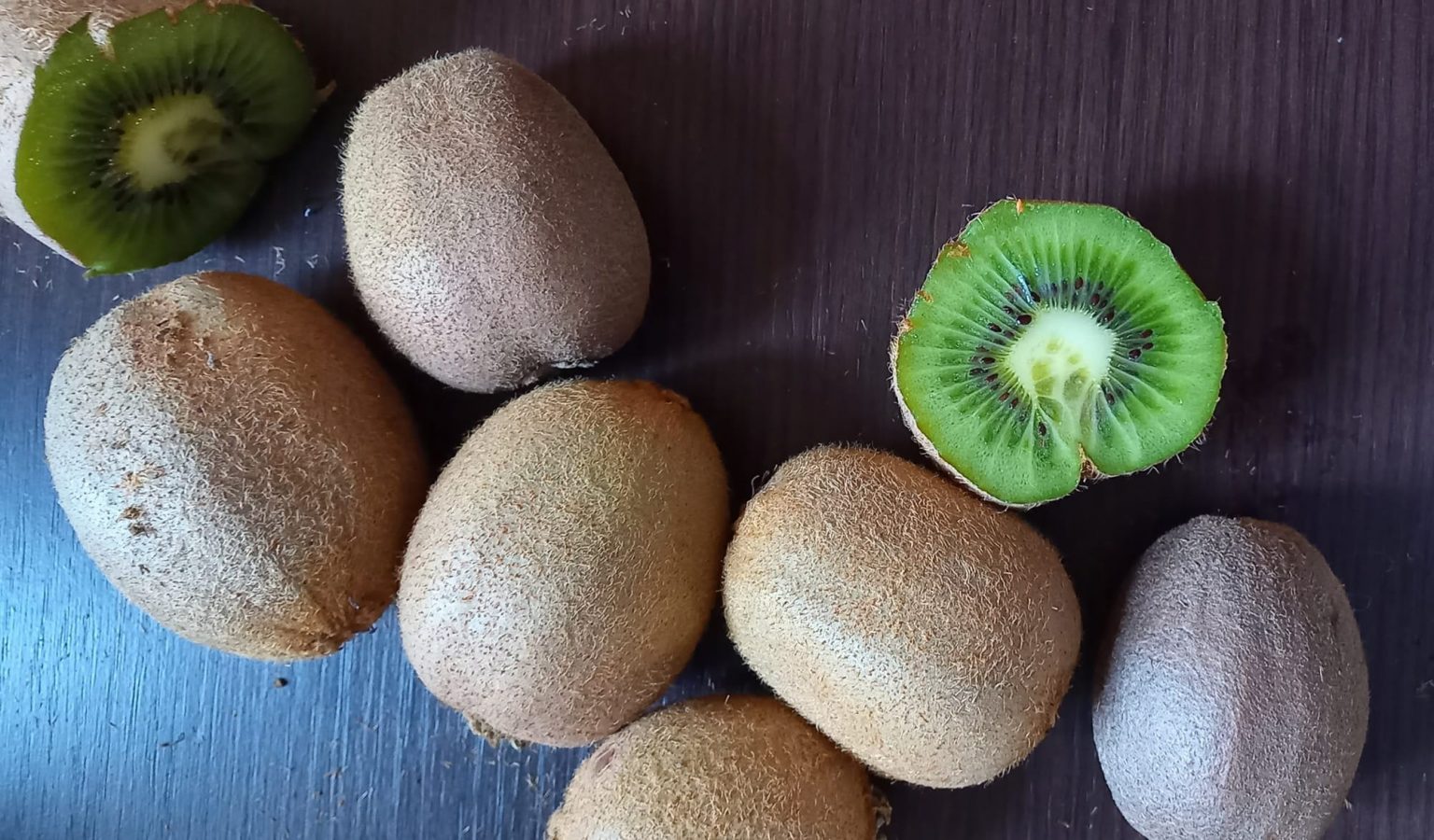
Meanwhile, the Greek kiwi has quietly become a global leader. Now ranking second only to New Zealand, Greek kiwi exports reached €360 million in 2025. With new markets opening in Brazil and India, the industry expects to cross the €600 million threshold within the next three years.
