- Professional fishermen in Cyprus have removed roughly 145 tons of invasive silver-cheeked toadfish (pufferfish) from local waters since June 2024.
- Backed by a €1.3 million budget (70% funded by the European Maritime, Fisheries and Aquaculture Fund), participating fishermen receive €4.73 per kilogram of landed pufferfish.
- Captured pufferfish are handed over to licensed waste management facilities for complete incineration due to high concentrations of lethal tetrodotoxin.
- Having battled the aggressive alien species since 2012, Cypriot fisheries officials are now consulting with Greek maritime authorities to help replicate the population control model across Greek waters.
A €1.3 million program is paying professional fishermen to remove the invasive pufferfish from Cypriot waters, as Greece seeks Cyprus’ advice on tackling the species’ spread.
Cyprus has removed almost 145 tons of pufferfish from its seas over the past two years, as authorities continue a long-running effort to control the population of the aggressive alien species.
The latest figures were presented by Nicoletta Varnava, an officer with the Department of Fisheries and Marine Research, which has been coordinating measures against the pufferfish for more than a decade.
The current program runs until December 2029 and has a total budget of €1.304 million, with 70% financed through the European Maritime, Fisheries and Aquaculture Fund. Around 150 professional fishermen are participating, and Cyprus is paying them to fish.
€4.73 per kilogram
Since June 2024, fishermen participating in the scheme have delivered approximately 145 tons of pufferfish.
They have received a total of around €685,000, with the program paying €4.73 per kilogram.
The money is distributed through 11 leaders of professional fishing groups and associations, who then allocate payments to participating fishermen according to the quantities they have caught.
The pufferfish collected through the program are subsequently taken by a licensed company for destruction. The arrangement effectively turns the species’ rapid expansion into a targeted fishing operation, with professional fishermen helping authorities reduce its numbers while receiving compensation for their work.
A Problem That Has Been Around for Years
Pufferfish have been present in Cypriot waters for at least two decades, and similar control programs have been operating since 2012.
Although Cyprus has recorded no attacks on humans by pufferfish, the species has become a serious problem for professional fishermen.
The fish can damage fishing equipment and destroy or consume catches, creating economic losses for fishermen who already operate in increasingly challenging waters.
The principal danger to people comes from eating the fish, rather than encountering it in the sea. For that reason, Cyprus’ strategy focuses primarily on controlling the population and monitoring its spread.
Greece Wants to Learn from Cyprus
The issue is no longer confined to Cyprus. Greece has recently approached Cyprus to learn more about its methodology for dealing with the pufferfish after the species began appearing in Greek waters.
Authorities are also watching to see whether any natural predator could help control its numbers.
The possibility of marine species such as sea turtles playing a role has been raised, but no natural solution has yet been established. For now, fishermen remain the frontline of the control effort.
And Then, There Is the Lionfish
Pufferfish are not the only alien species appearing in Cypriot waters.
The Department of Fisheries and Marine Research is also monitoring other newcomers, including lionfish.
However, unlike the pufferfish, lionfish have potentially found a more fortunate relationship with humans.
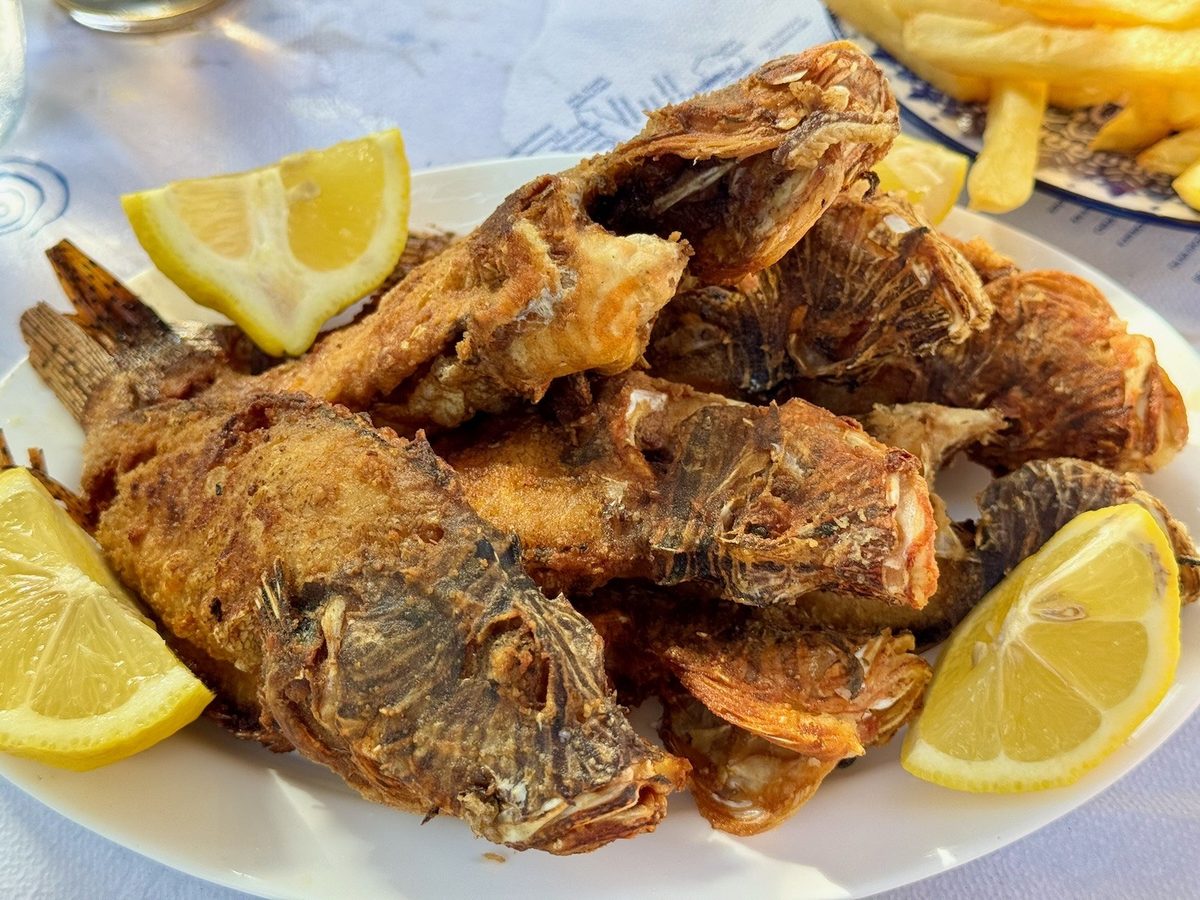
The species is edible when properly prepared, with its venomous spines removed, and Cyprus is promoting it as a marketable fish.
So while one alien species is being caught, weighed, and destroyed at €4.73 a kilogram, another is being encouraged toward the dinner table.
