You can feel the fatigue in the bones of Europe these days, a weariness that goes beyond the usual summer crowds. The narrow streets of Dubrovnik are choked with cruise-ship day-trippers, the “no vacancy” signs in Santorini have been permanent since 2019, and the local tavernas in Crete are increasingly replaced by Instagram cafés serving €8 frappés to visitors who’ve never heard of Nikos Kazantzakis. Europe is not broken, precisely, but it is undeniably tired, and so are many of us who love it. While the continent remains essential, the friction of overtourism, exploding prices, and scripted experiences suggests that this year might be the time to look elsewhere—not instead of Europe forever, but instead of Europe right now.
Chile offers a compelling alternative, though not the Chile of guidebook checklists and Torres del Paine photo ops. This is the Chile that remains raw enough to surprise you, quiet enough to let you hear yourself think, and vast enough to remind you what awe actually feels like. If you are the kind of traveler who fell in love with Eastern Europe before it was trendy—who knew Georgia’s wine country before it appeared on every “2024 destinations” list or hiked the Albanian Alps when they were still just mountains and not “the next big thing”—you will understand Chile immediately. It operates with the same frontier energy and unpolished authenticity, offering the thrill of discovering something before it discovers itself.
For the Adventurers: Where the Map Still Has Blank Spaces
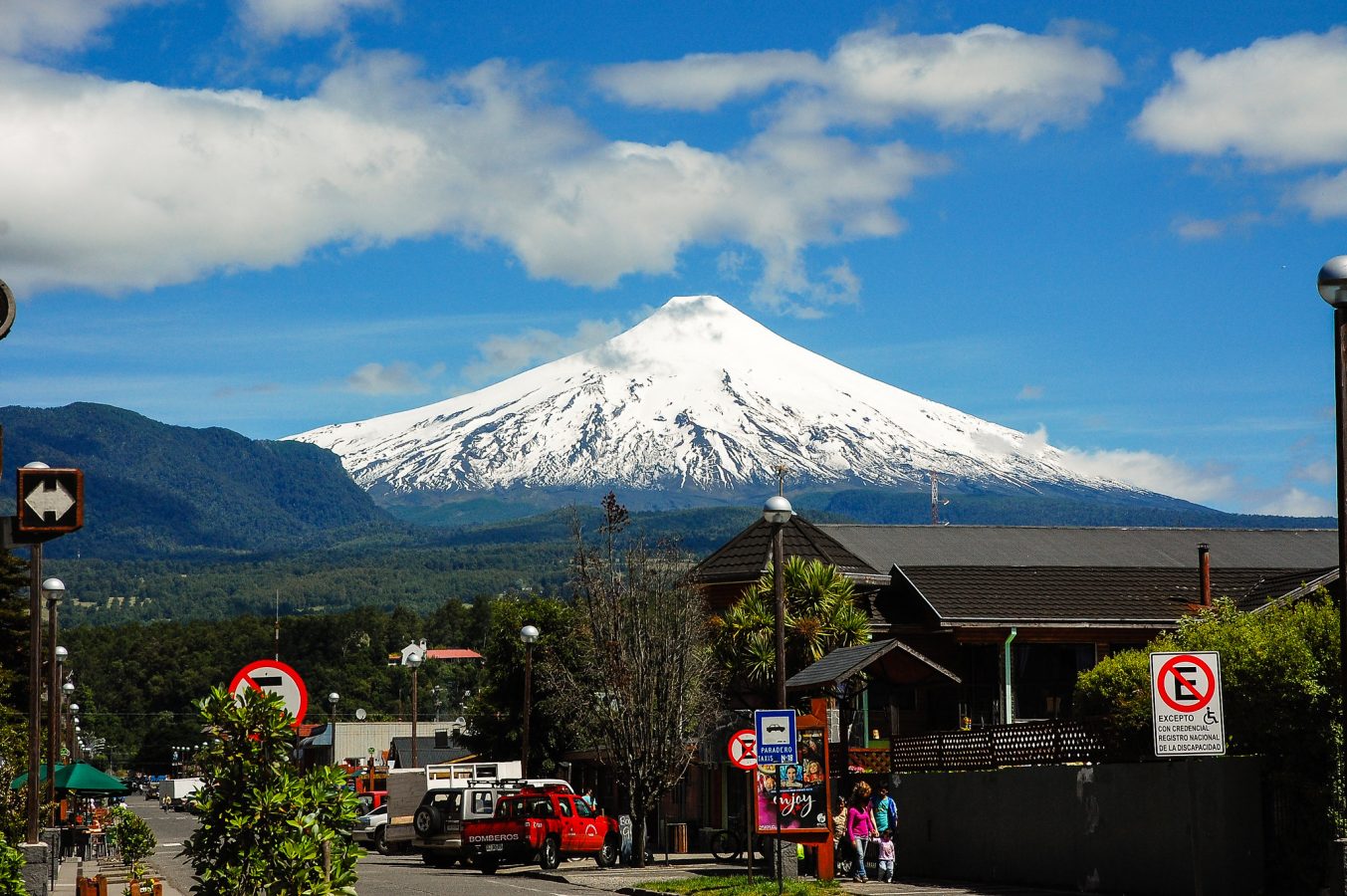
Adventure travel in Europe has become increasingly sanitized, defined by via ferratas with guard rails, guided hikes that run on Swiss train schedules, and kayaking tours where the biggest risk is getting your phone wet. Chile still retains its edges, particularly in Patagonia’s backcountry. Rather than the booked-solid W Trek circuit, consider the lesser-known trails around Cochrane and Villa O’Higgins, where you might hike for three days and see only six people, navigating weather that changes four times in an hour to remind you, gently, that you are not in charge. Near Pucón, Volcán Villarrica stands as one of the few places on Earth where you can legally hike an active volcano with a lava lake, a mountain that doesn’t care about your itinerary, regardless of how qualified the guides are. For the ultimate test, the Carretera Austral offers 600 miles of gravel road through some of the most remote landscape in the Americas, where renting a camper van means getting stuck behind sheep herds and stopping in towns that don’t appear on Google Maps. This isn’t merely a road trip; it is a negotiation with distance itself, offering the genuine uncertainty of whether a trail actually goes where the map says—a humility Europe can no longer provide.
If you prefer a trusted hand on the reins, operators like Chile Nativo specialize in small-group, sustainable adventures that prioritize local knowledge over itinerary-checking. For a more curated but still wild experience, Explora runs lodges in Patagonia and the Atacama with expert guides who know the land like family.
For the Quiet Seekers: Where Silence Is Still a Native Language
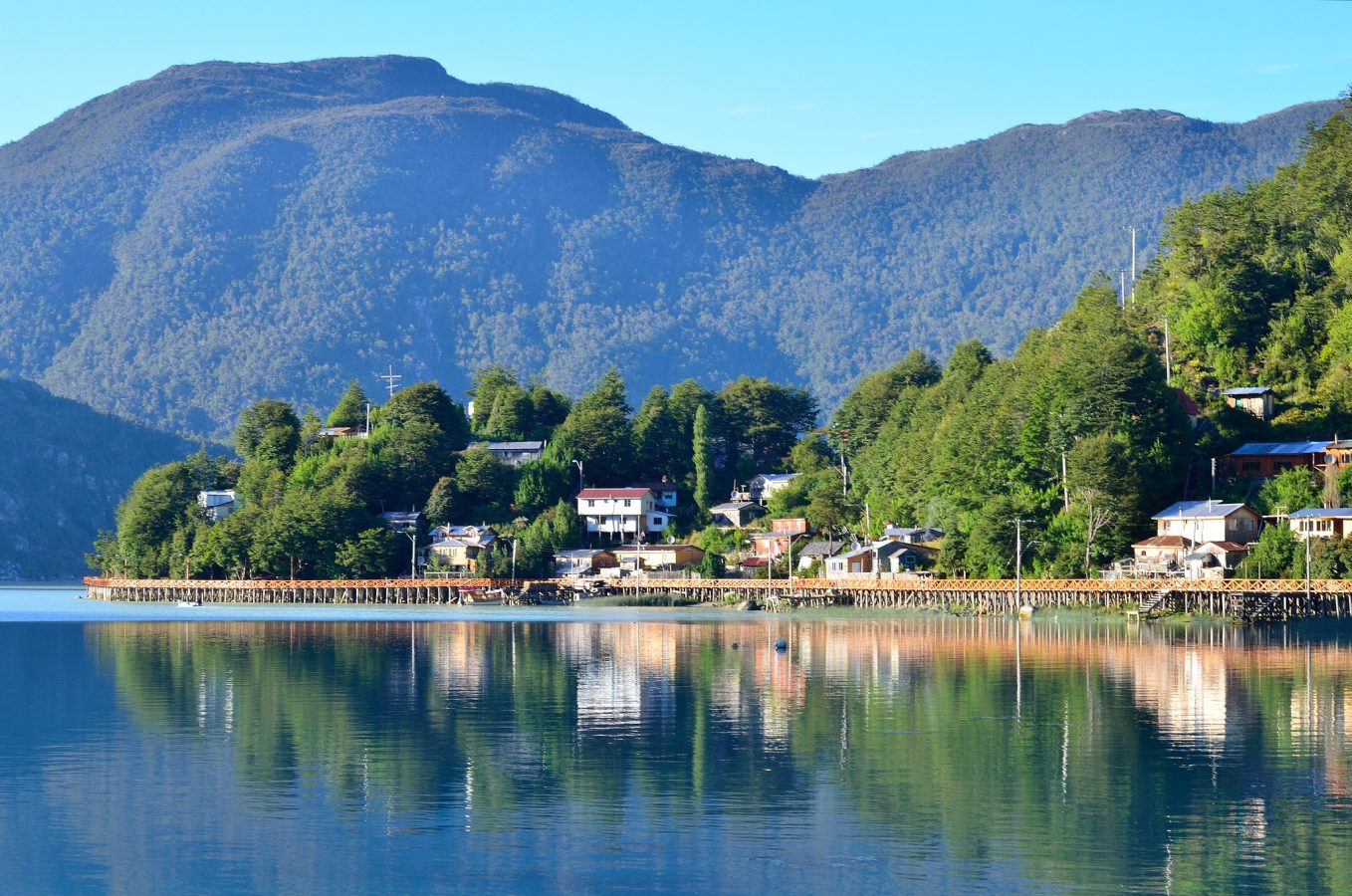
There is a low-grade hum of overtourism anxiety in European cities now, a sense that you are participating in something that is slowly killing the place you came to love. Chile still possesses places where the dominant sound is wind, or water, or nothing at all. Valle de Elqui, three hours inland from La Serena, is a valley so clear and quiet that it is designated an International Dark Sky Reserve; here, the pisco flows as the birthplace of Chile’s national spirit, but the pace never accelerates, and people sit to look at the mountains under a starry ceiling that isn’t a “feature” but simply the reality. For a stay that honors that stillness, Elqui Domos offers glass-ceilinged rooms for sleeping under the stars, paired with a small, excellent restaurant serving valley-grown ingredients. Further south, Chiloé Island operates on a different temporal register, where wooden UNESCO churches have stood for centuries amidst a mythology of ghost ships and forest spirits blended with indigenous belief. You can walk for hours on beaches where the only footprints are yours and the gulls’, experiencing the permission to do nothing and call it the point. Even the Atacama Desert, often mishandled by tourists who base in San Pedro and leave, reveals its true nature if you visit Valle de la Luna at 5 PM when the day-trippers have departed, allowing you to watch the light change on the salt flats and understand why the Atacama people developed a cosmology based on stillness. For a base that respects the desert’s silence, Tierra Atacama integrates luxury with the landscape, while Hotel Cumbres Atacama offers a more intimate, locally-run alternative.
For the Awe-Seekers: Where the Earth Still Shows Off
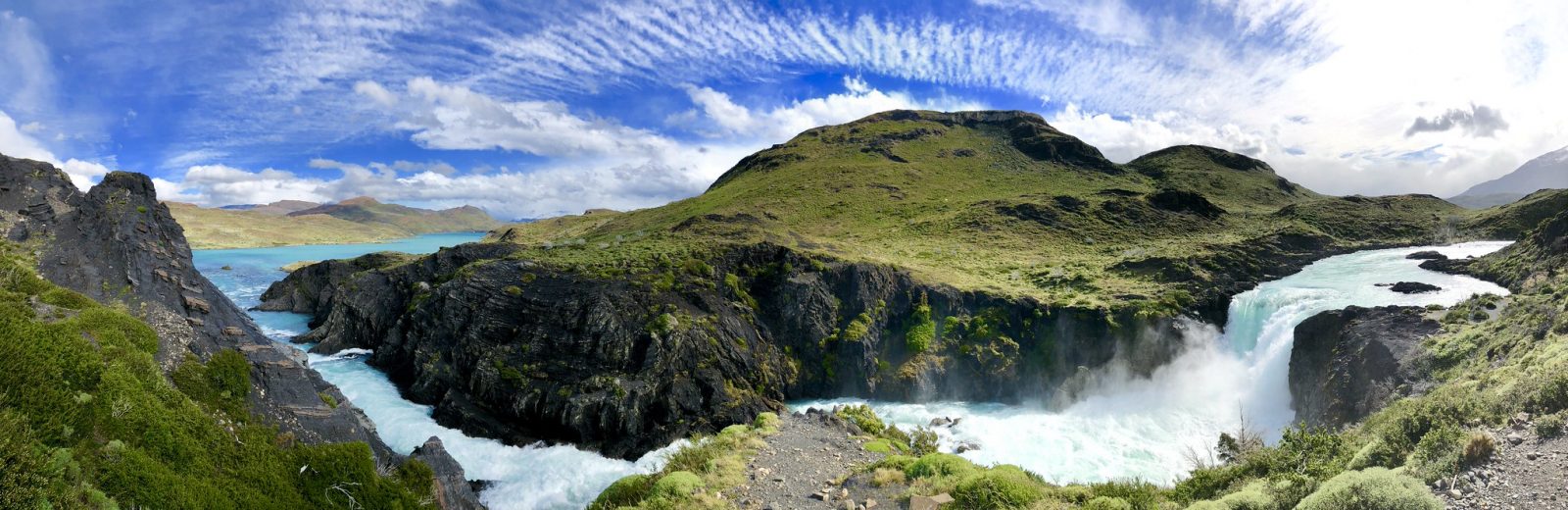
You have likely seen the sunsets in Oia, stood in the Duomo in Florence, and hiked to the monasteries in Meteora, but your awe receptors may have grown jaded from mediation. Chile resets them without ticket booths, timed entries, or “best photo spot” signs. Torres del Paine remains famous for a reason: the three granite towers not only rise but also pierce the sky, and the wind not only blows but also sculpts the landscape into a cathedral that earns the comparison. Staying inside the park at Explora Patagonia or the unique geodesic domes of EcoCamp Patagonia means you’re among the first to witness dawn on the towers. In Patagonia’s General Carrera Lake, the Marble Caves offer a journey into walls carved by water over 6,000 years, where striated blue-and-white rock meets water so clear you cannot tell where it begins, refracting light in ways that make you question whether you are inside rock or inside a jewel. For a surreal experience, the Salar de Atacama at dawn allows you to walk on a surface so white and flat it feels like the moon, with the Andes rising like a wall between worlds and flamingos wading in lagoons that feel more real than real. Finally, the fjords of Patagonia, best seen by sailing boat rather than cruise ship, reveal glaciers calving into water so cold it steams, creating a scale so large that your brain cannot process it and simply lets go.
For meals that match the grandeur: in Santiago, Boragó (one of the world’s 50 greatest restaurants) is a pilgrimage for Chilean ingredients reimagined (book months ahead), while Peumayén Ancestral Food offers a journey through Chile’s diverse culinary cultures in one sitting. In Puerto Varas, Casa Valdés, overlooking Lake Llanquihue and the Osorno volcano, offers uncompromising cuisine.
The Practical Truth
The logistical barriers to reaching Chile are lower than you might assume, especially when weighed against the current cost of European travel. Consider this: a flight to Santiago from Athens can be found for as little as 420 euros, a price point that undercuts many peak-season European destinations when you factor in accommodation and daily costs. Once you arrive, internal flights are reasonable, or you can take the slow route via comfortable, scenic, and cheap buses. Timing is key, with Patagonia best visited from November to March, the Atacama viable year-round though ideal in the shoulder seasons, and the central valley open from September to April. Financially, your euro goes significantly further here than in most of Europe right now; a fantastic meal can be had for €15-20, a nice hotel room for €60-80, and adventure tours cost a fraction of European prices. While Spanish is the language, enough English is spoken in tourist areas to get by, and Chileans are generally patient with learners. Safety-wise, Chile remains one of the safest countries in South America, requiring only common sense, with the real risks being underestimating distances and weather rather than crime.
Why This Year
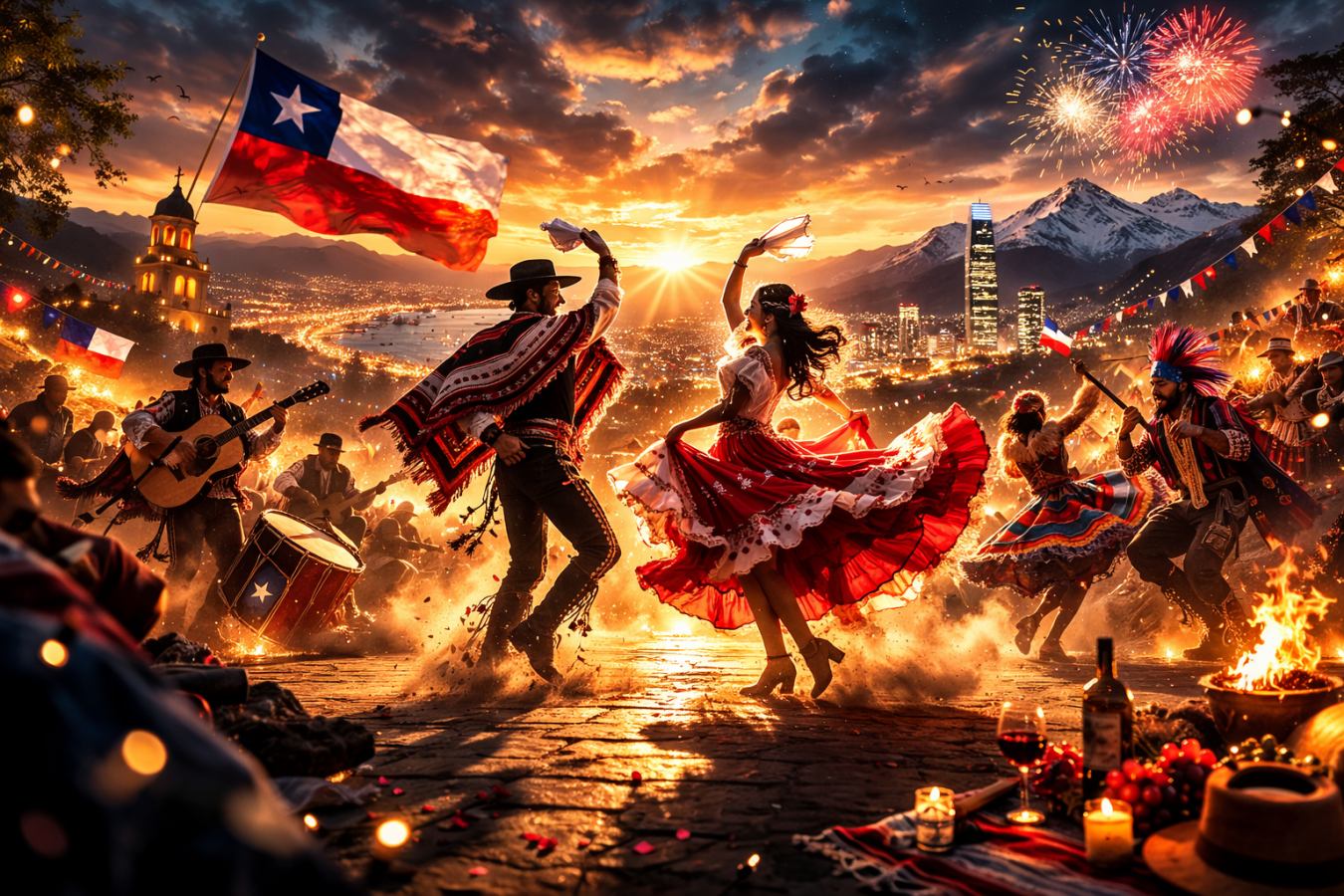
Chile is currently at a perfect inflection point, developed enough to be accessible but undiscovered enough to be alive. In five years, the Carretera Austral might be paved, Valle de Elqui could have its third boutique hotel, and the quiet beaches of Chiloé may host their first “glamping” resort. Europe had its moment and remains beautiful, but it is asking a lot of you now: your patience, your money, and your willingness to participate in your own displacement. Chile isn’t asking for anything; it is just there, vast and quiet and willing to meet you where you are. The question isn’t really why Chile instead of Europe, but rather what kind of traveler you want to be this year. You can document the same places as everyone else, fighting for the same angle and paying the same prices, or you can go where the map still has room for surprise. This version of Chile—the raw, unoptimized, still-becoming one—might not last forever, so go now, go quiet, and go ready to be rearranged.
| Category | Chile | Western Europe |
|---|---|---|
| Average Round-Trip Flight (U.S.) | $600–$1,100 | $700–$1,400 |
| Average Round-Trip Flight (UK/EU) | €700–€1,200 | €100–€300 (intra-EU) |
| Hotel (4-Star Avg.) | $110–$180/night | $180–$350/night |
| Boutique/Character Stay | $90–$150 | $200–$400 |
| Mid-Range Dinner for Two | $40–$70 | $80–$150 |
| Domestic Travel | $40–$120 flights | €60–€150 trains/flights |
| Crowd Density (Peak Season) | Moderate | Very High |
| Shoulder Season Value | Excellent | Limited in major capitals |
