- Also known as malotira, from the plant Sideritis syriaca
- Grows high in the White Mountains of Crete
- Traditionally used for colds, digestion, and recovery
- Naturally caffeine-free
- Best enjoyed: water, herb, patience
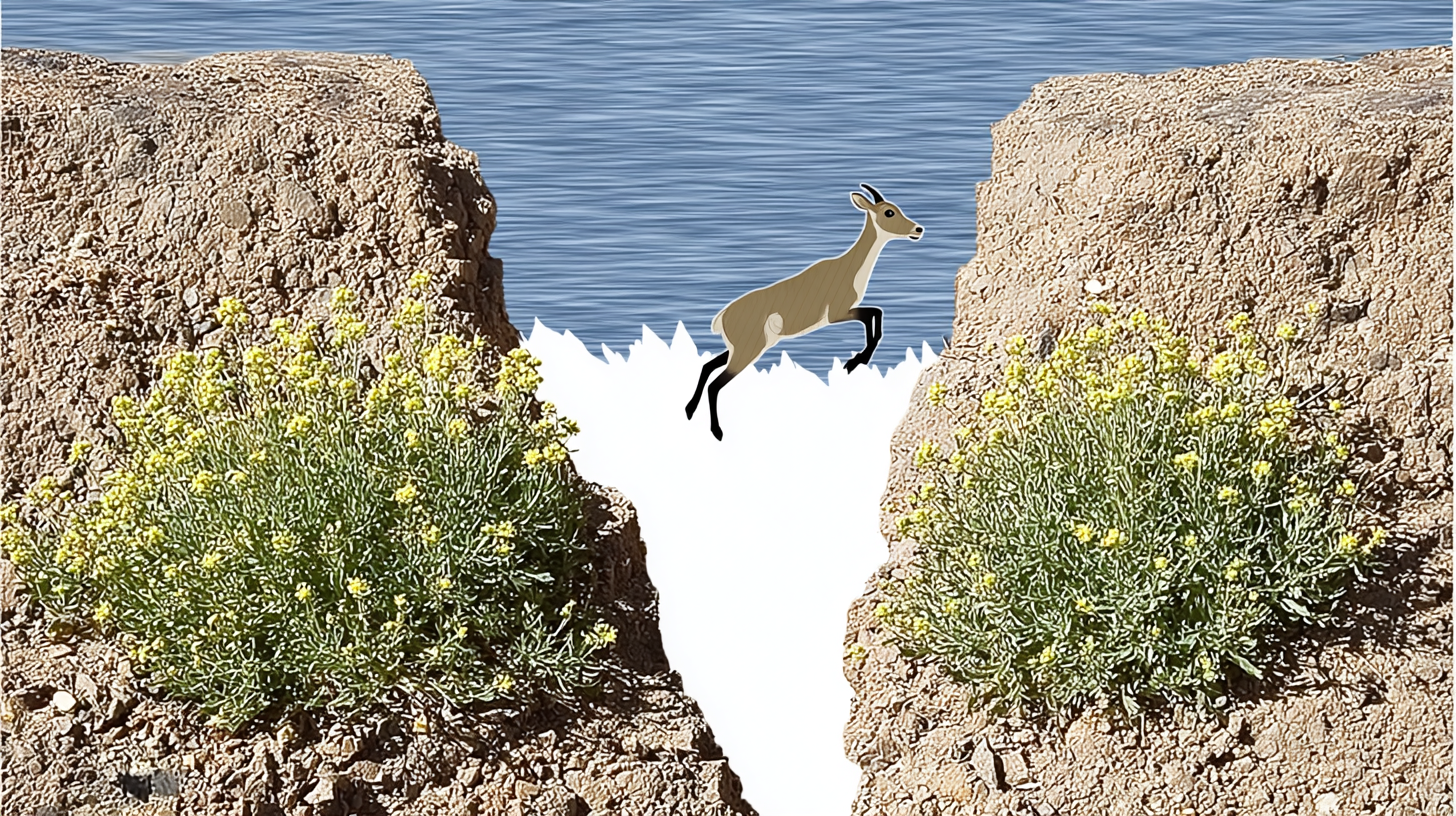
There is something deeply Cretan about mountain tea. It does not arrive in glossy packaging promising miracles. It grows in wind-lashed limestone, clings to rock, survives heat, frost, and goats, and then quietly ends up in your kitchen as a bundle of dried stems tied with string.
In Crete, it is not a “wellness product.” It is what your grandmother handed you when your throat burned, when your stomach felt heavy, when winter crept into your bones.
And unlike many fashionable superfoods, this one has centuries behind it.
What Exactly Is Cretan Mountain Tea?
Cretan mountain tea comes from Sideritis syriaca, a plant that grows at high altitudes, especially in the Lefka Ori (White Mountains). The name “Sideritis” is believed to derive from the Greek word for iron, possibly because ancient healers used it to treat wounds from iron weapons.
In Crete, it is called malotira.
It is harvested in summer, dried naturally, and brewed from whole stems, flowers, and leaves. The taste is light, slightly floral, and gently earthy. It does not punch you. It persuades you.
Health Benefits Backed by Tradition and Research… or Meh…
Cretans have long used mountain tea for specific, practical reasons. Modern studies have begun to support what shepherds already knew.
1. Immune Support
Mountain tea contains flavonoids and polyphenols with antioxidant properties. Traditionally, it is the first response to:
- Sore throat
- Early cold symptoms
- Seasonal fatigue
It will not replace medical treatment, but it can support the body’s natural defenses.
2. Digestive Relief
Heavy meal? Too much lamb? Too much of everything?
Mountain tea is often brewed after large family lunches because it:
- Soothes bloating
- Supports digestion
- Reduces mild stomach discomfort
It is gentle, which makes it suitable for regular use.
3. Anti-Inflammatory Properties
Compounds from Sideritis species have shown anti-inflammatory activity. In traditional Cretan life, it was given to:
- People recovering from illness
- Older people with joint discomfort
- Those who are exhausted after physical labor
4. Stress and Mental Clarity
Unlike coffee, mountain tea contains no caffeine. It does not spike you. It does not crash you.
Many people describe:
- Mild calming effects
- Clearer focus
- Better sleep when consumed in the evening
It supports rather than overstimulates.
How to Brew It Properly
Please, do not treat it like a teabag.
- Use one small bundle (about a tablespoon of dried herb) per cup.
- Bring water to a boil.
- Add the herb and simmer gently for 5–10 minutes.
- Strain.
- Add a little Cretan thyme honey if you wish. Lemon is optional.
Drink it warm. Slowly.
A Word About Quality
If you are buying mountain tea:
- Look for whole stems and flowers, not powder.
- Avoid overly crushed or dusty packaging.
- Prefer locally harvested, responsibly sourced malotira.
Overharvesting has been a concern in some areas. Responsible cultivation protects both the plant and the mountain ecosystem.
Cretan mountain tea will not transform your life overnight. It will not detox your soul. It will not make you immortal.
What it will do is something far more honest.
It will warm you when the wind comes off the mountains, calm your stomach after the Sunday excess, and sit beside you on a winter night.
