There is the Crete of brochures, and then there is the Crete of Tuesday.
In the brochure version, a whole lamb rotates slowly over glowing charcoal every afternoon. A grandmother in black stands beside it with folded hands and mystical knowledge. Olive oil shines on every surface. Raki flows freely. Someone is always slicing tomatoes that look as though Renaissance artists sculpted them.
In actual homes across the island, however, lentils are often used.
Let us begin with the lamb myth.
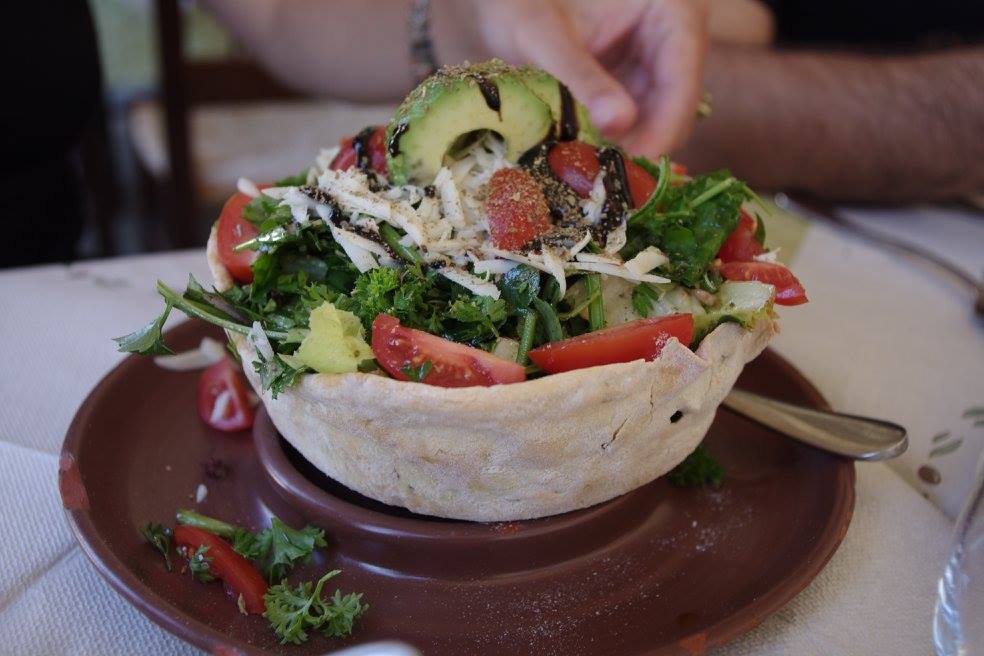
The Lamb That Never Stops Spinning
Visitors frequently assume that Cretans consume slow-roasted lamb with the casual regularity of toast. The truth is less theatrical and considerably more practical.
Lamb on a spit is celebration food. It appears at Easter. It appears at weddings. It appears when someone has something important to prove. It does not appear on an average Wednesday when everyone has work in the morning.
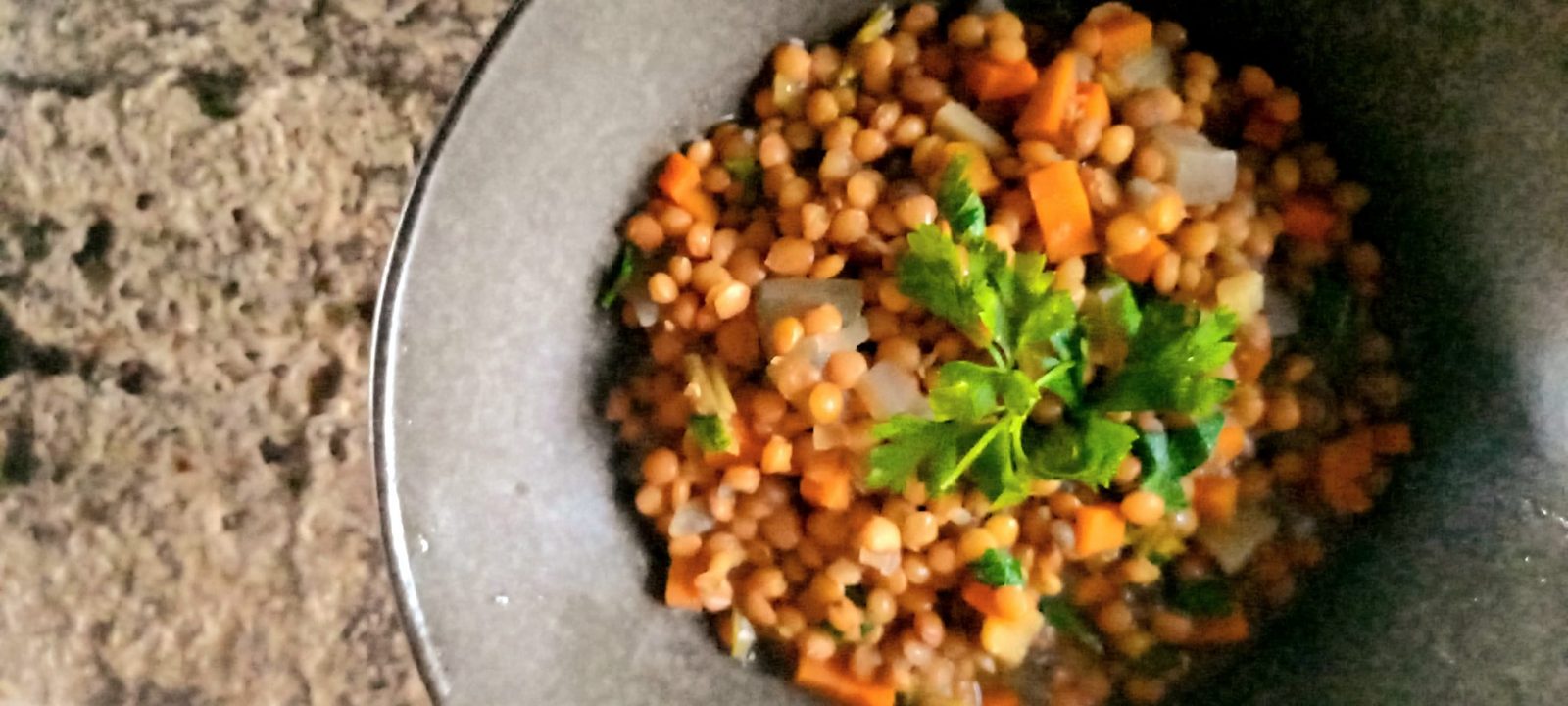
The everyday table is modest and honest. Lentil soup. Chickpeas. Briam is made in one large pan and reheated the next day. Tomatoes with oregano and feta. Bread that has been bought, not kneaded at dawn. The food is good, but it is not ceremonial.
Ceremony requires time. Most people are busy.
The Olive Oil Fantasy
Yes, olive oil is everywhere. That part is true.
However, Cretans do not treat olive oil as a theatrical prop. It is not poured with dramatic flair for imaginary cameras. It is used. It sits in a bottle near the stove. It ends up on salads, on bread, and in cooked vegetables. It is part of the daily rhythm rather than performance.
The myth suggests golden rivers of oil flowing endlessly over extravagant plates. The reality is measured and practical. Olive oil is valued. It is not wasted for effect.

The Endless Raki Assumption
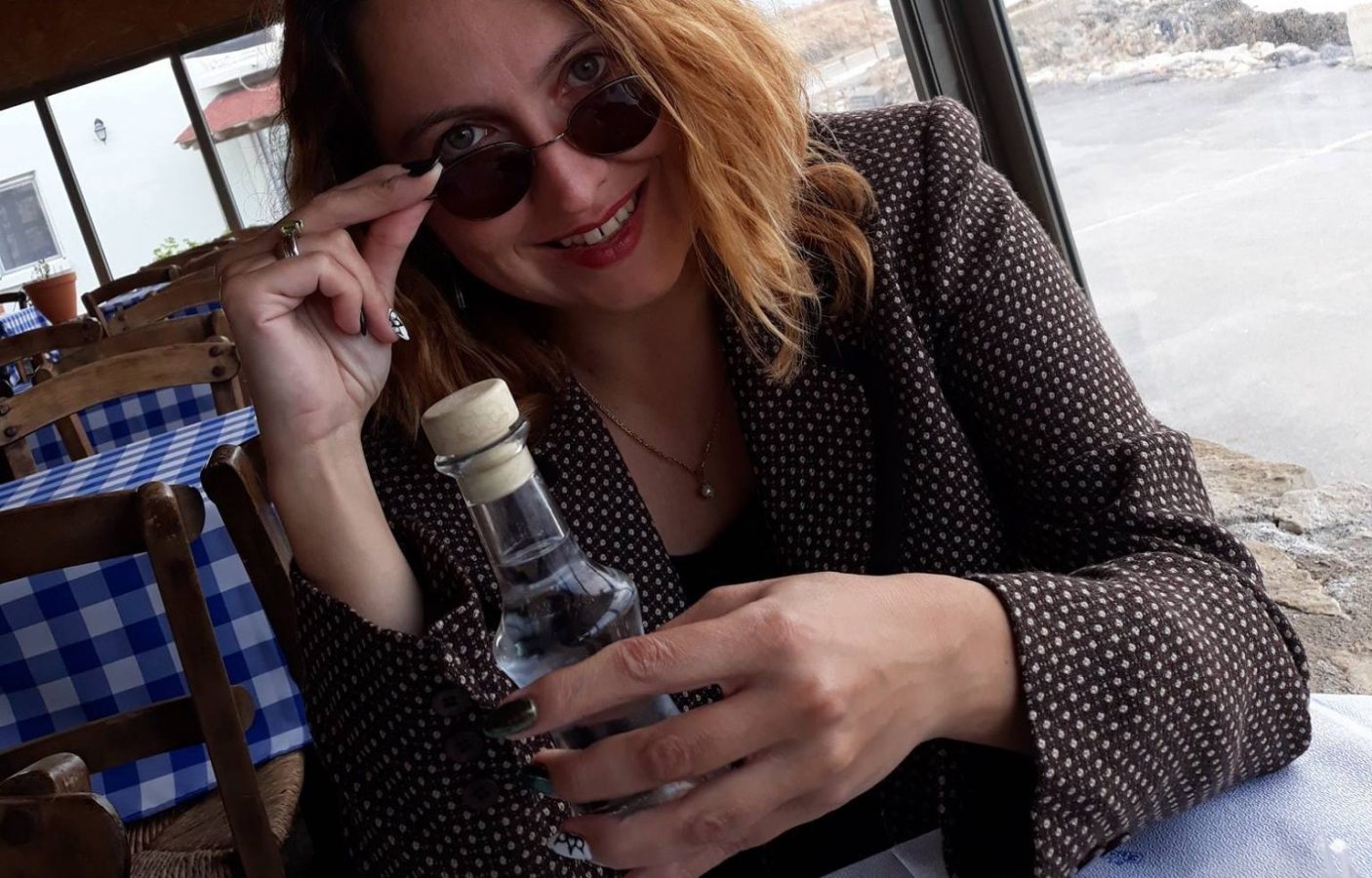
There is also the belief that Cretans drink raki from sunrise to sunset, as though productivity and alcohol have entered into a secret partnership.
Raki is offered generously in tavernas. It marks hospitality. It closes meals. It celebrates conversation.
It does not replace water. It does not accompany breakfast before a shift in construction, agriculture, retail, or administration. Most people wake up, drink coffee, and go to work like everyone else.
Hospitality is not the same as a daily habit.
The Instagram Table vs The Real Table
In travel photography, every plate is curated. The lighting is golden. The herbs are positioned deliberately. The background is always the sea.
In real homes, the lighting is fluorescent. The tablecloth might be plastic. Someone is checking their phone. Someone else is complaining about the price of tomatoes.
The food is still good. It is simply not performing.
And that is what makes it authentic.
What Cretans Actually Eat
On an ordinary weekday in Crete, one is likely to find:
- Legumes are cooked in large pots.
- Seasonal vegetables baked with olive oil.
- Simple salads with what is available.
- Bread, always bread.
- Leftovers, because wasting food is frowned upon.
- Meat occasionally, not ceremonially.
The Mediterranean diet, which researchers worldwide praise, is built on this quiet repetition of simple meals. It is not sustained by spectacle. It is sustained by habit.
Tourists arrive in search of a permanent feast. What they encounter, if they look closely enough, is something more grounded: food that fits real schedules, real budgets, and real lives.
There is no disappointment in this. There is honesty. The Crete of postcards is loud and celebratory. The Crete of everyday kitchens is steady and unpretentious. The island does not eat for applause. It eats to live. And on most days, that means lentils.
