- Warm-water species are flooding through the Suez Canal, aggressively displacing native Cretan marine life.
- From venomous predators to voracious herbivores, these invaders are dismantling food chains and damaging local fisheries.
- The Cretan Sea is no longer the ecosystem they were a decade ago.
If you spend enough time on a boat or diving along the Cretan coast, you’ll notice it eventually: the reefs look different. The Mediterranean is rapidly becoming a tropical highway for species migrating from the Red Sea and the Indo-Pacific. While the authorities keep pushing the remain calm narrative, the reality beneath the surface is a territorial takeover that is shrinking our native populations.
The High-Impact Predators
These are the species that have turned the ecosystem into a battlefield. They don’t just compete; they dominate.
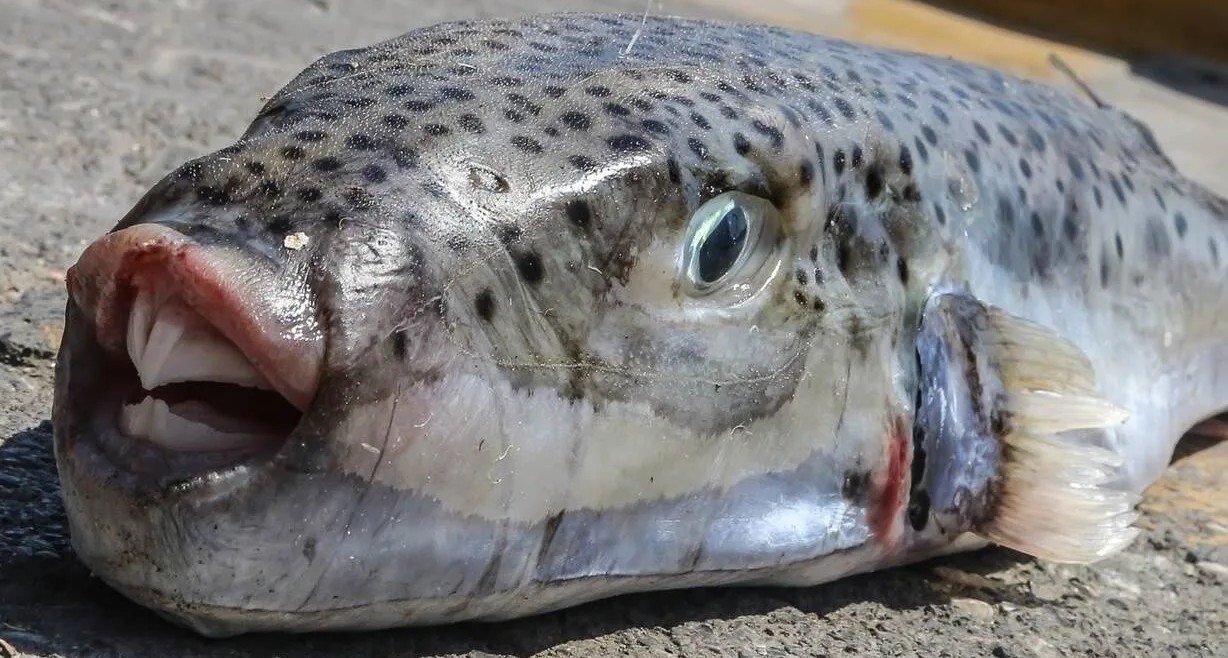
- Silver-cheeked Toadfish (Lagocephalus sceleratus): The undisputed heavyweight of the invasion. Highly toxic, incredibly aggressive, and possessing a beak-like jaw capable of crushing hooks, nets, and, unfortunately, human fingers.
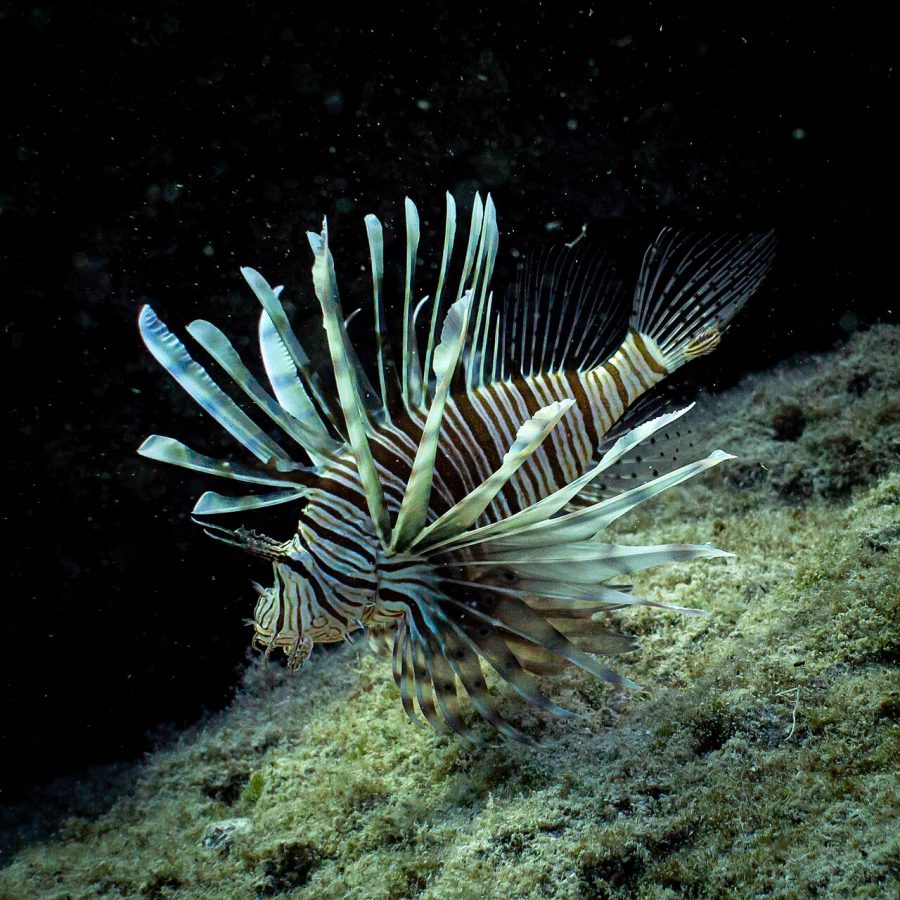
- Lionfish (Pterois miles): A stunning, venomous predator that strips reefs of smaller, native fish. They reproduce at an alarming rate, leaving nothing behind for local species.
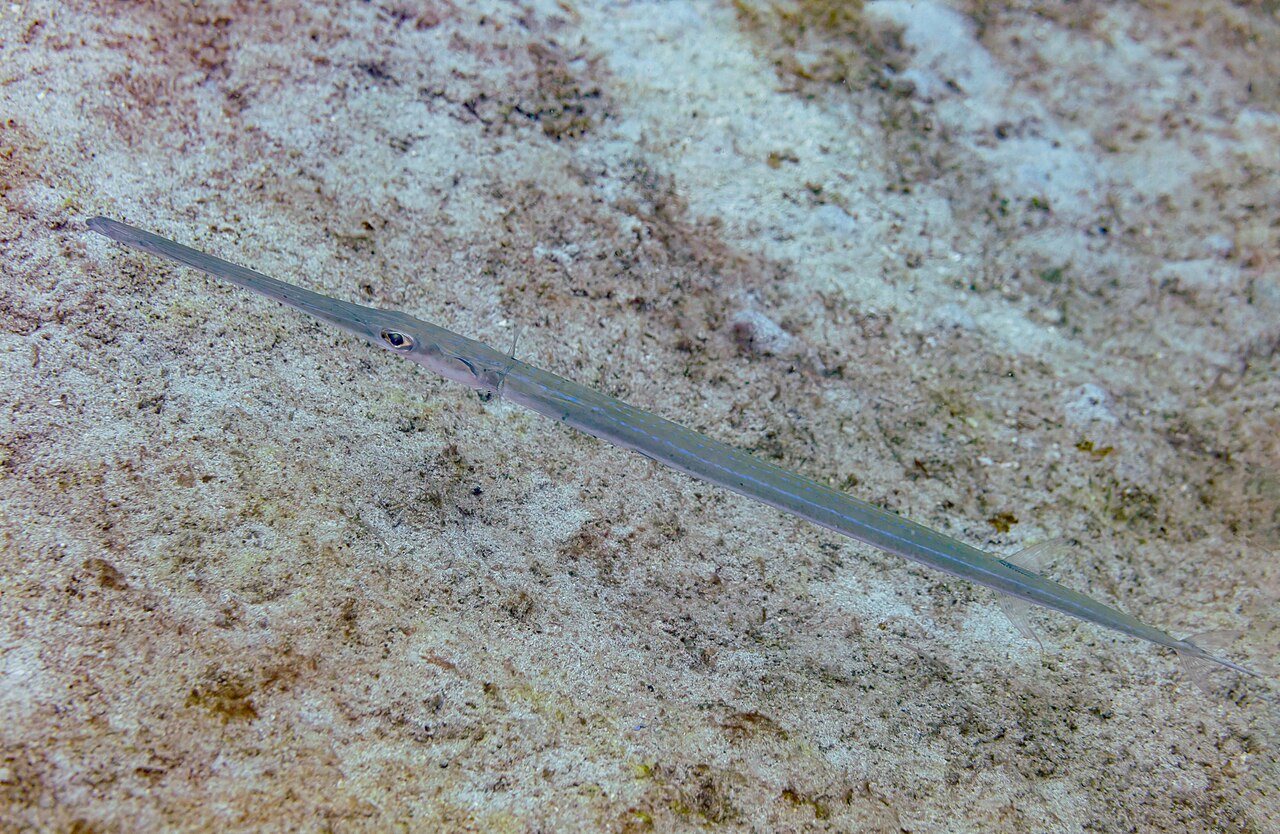
- Bluespotted Cornetfish (Fistularia commersonii): An elongated, predatory machine that has moved into the southern Aegean with terrifying speed.
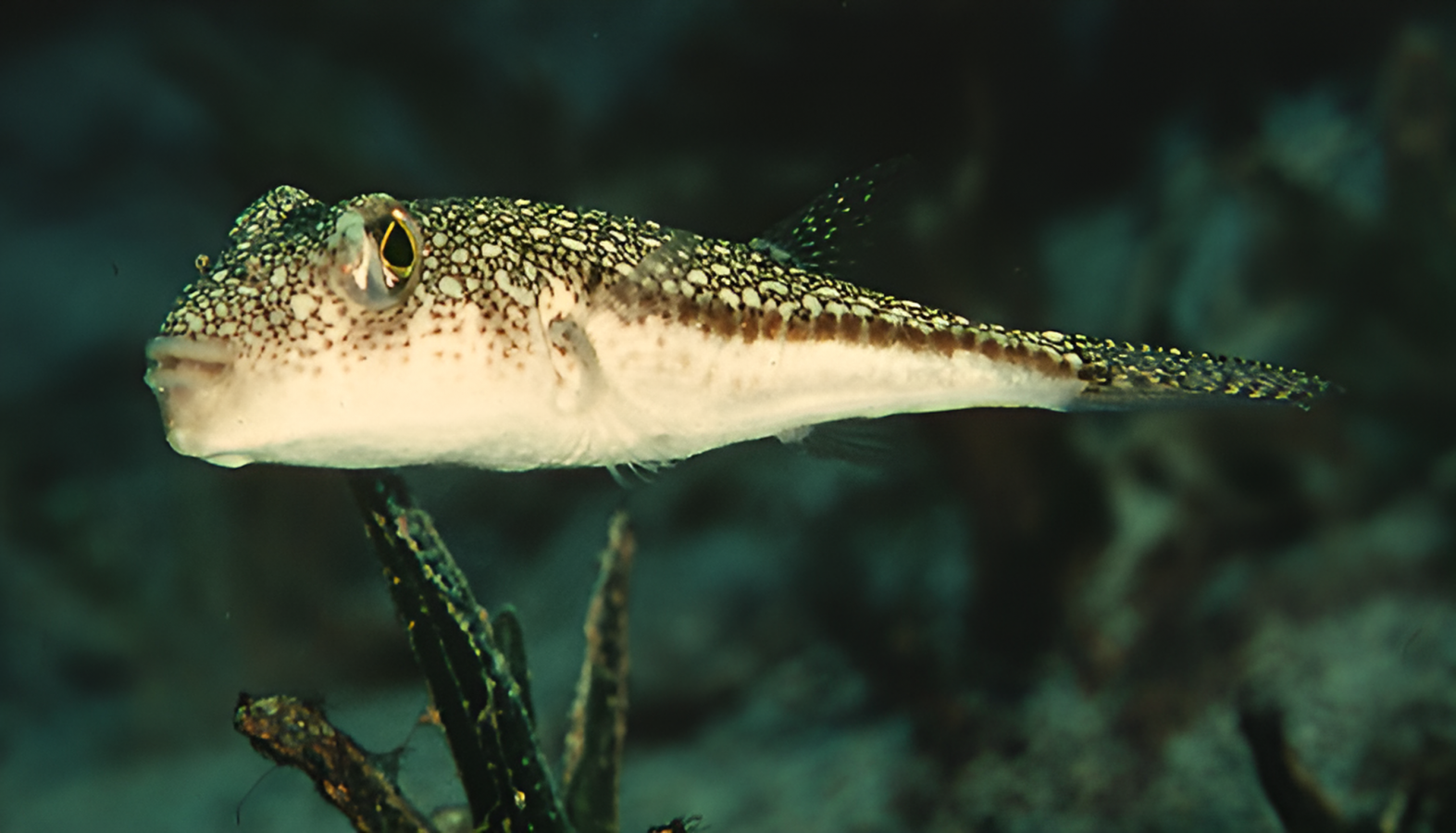
- Yellowspotted Puffer (Torquigener flavimaculosus): The smaller, yet still highly toxic, cousin to the Silver-cheeked toadfish. Do not underestimate its venom.
The Habitat Alterers
These fish work quietly, stripping the coast of the algae and resources that native life depends on.
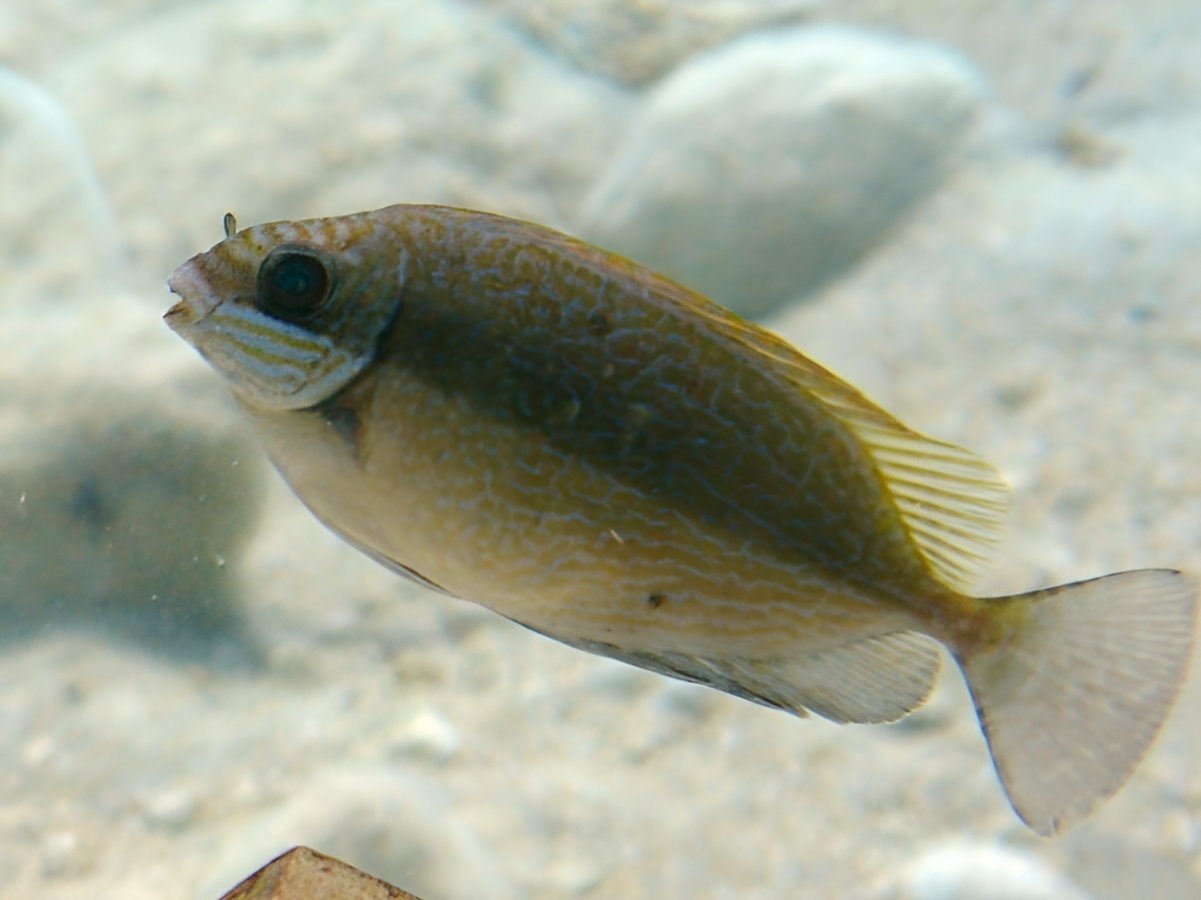
- Dusky Spinefoot & Marbled Spinefoot (Siganus luridus & Siganus rivulatus): These rabbitfish are the “lawnmowers” of the reef. They consume native algae at a massive scale, essentially starving out the local species that rely on those same habitats.
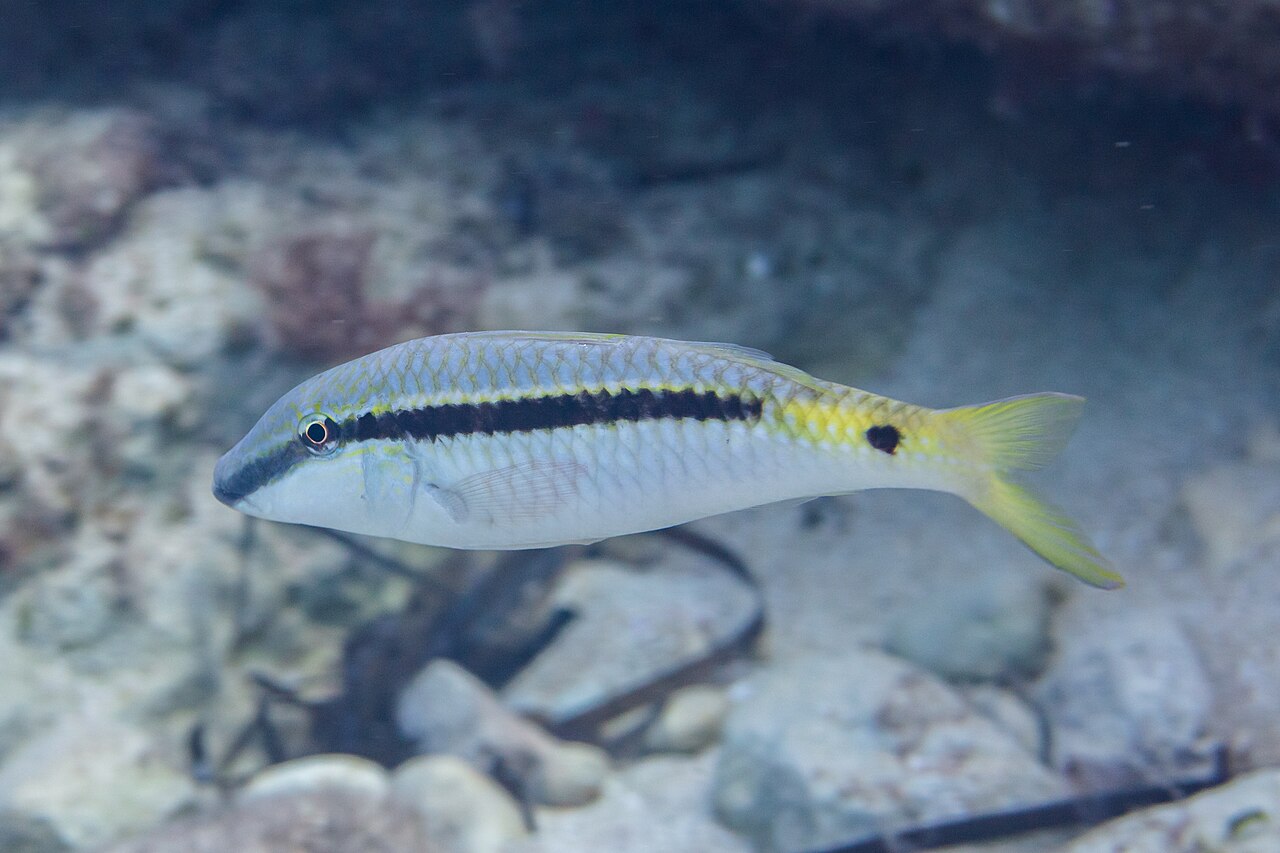
- Red Sea Goatfish (Parupeneus forsskali): A bottom-dweller that aggressively hunts for the same food sources as our native species, forcing them out of their traditional feeding grounds.
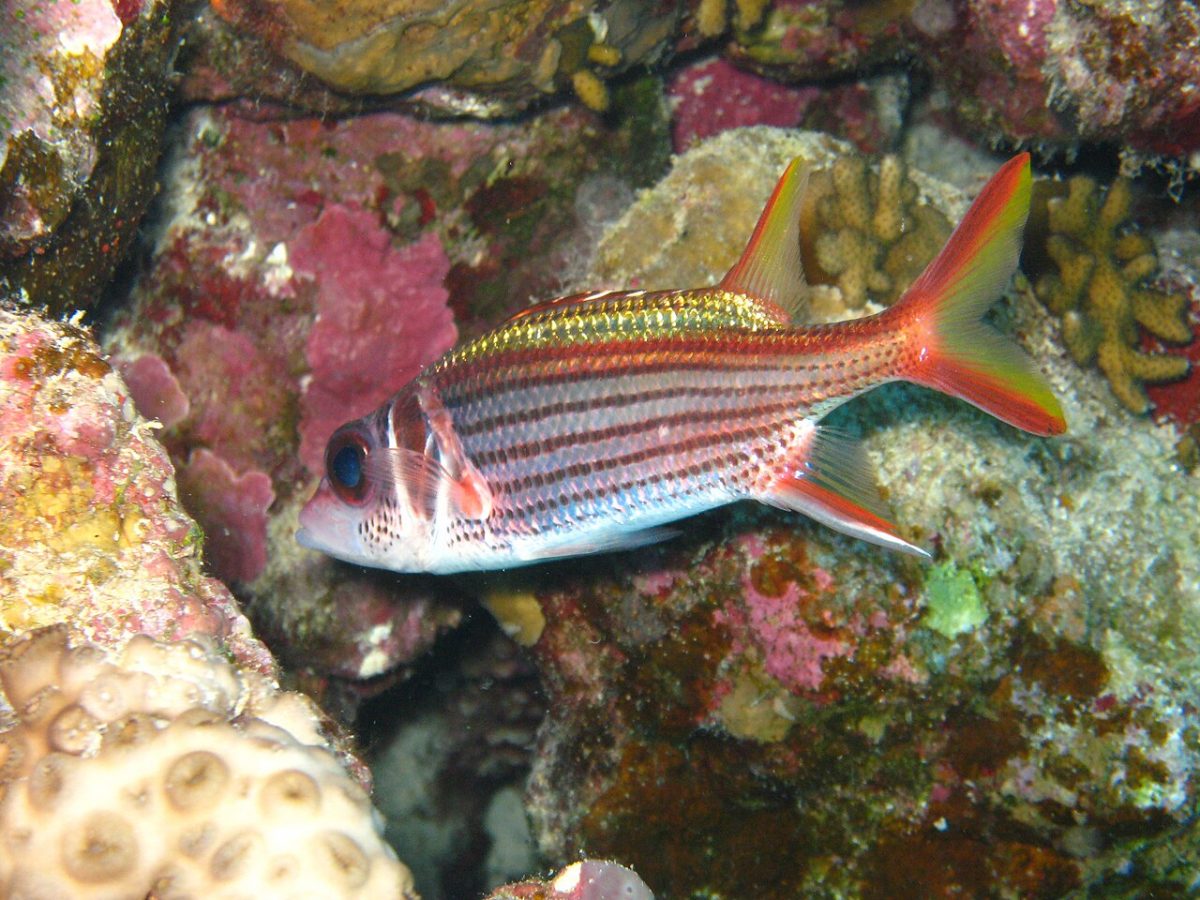
- Blackspot Soldierfish (Sargocentron rubrum): A nocturnal predator that creates intense competition for hiding spaces in rocky reefs.
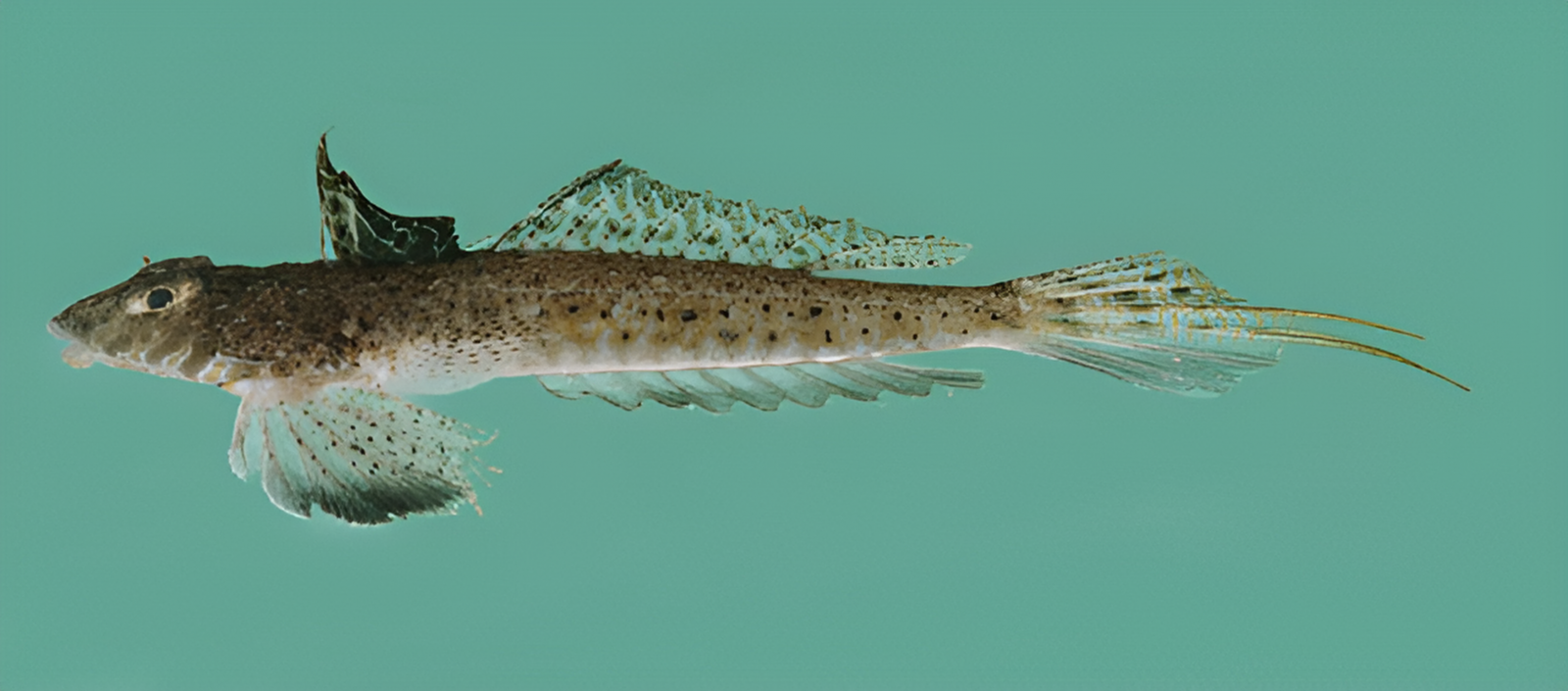
- Blotchfin Dragonet (Callionymus filamentosus): A benthic species commonly found on soft sandy bottoms, further crowding the seabed.
Small Pelagic Competitors
The competition isn’t limited to the rocks; it’s happening in the open water, too.
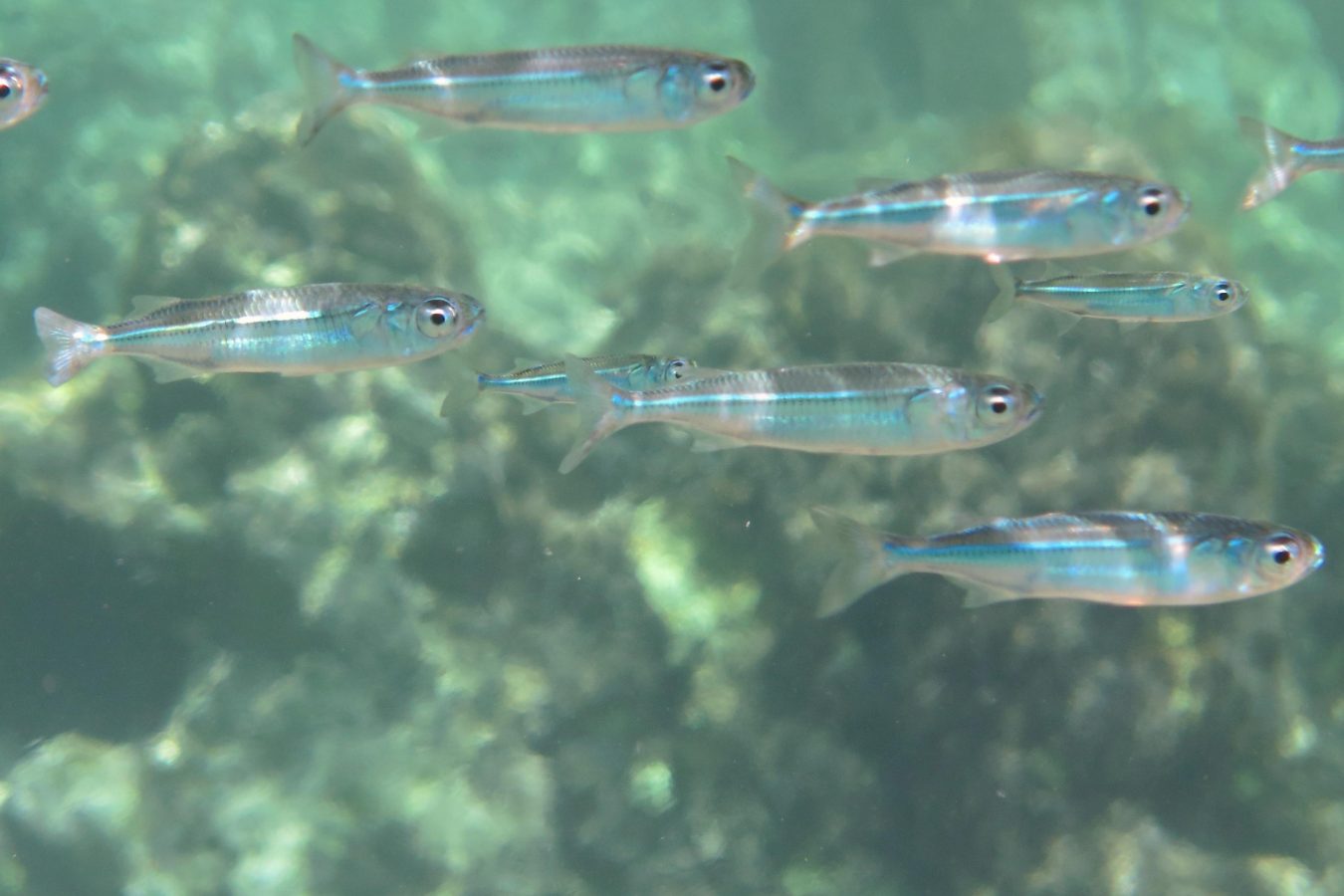
- Red Sea Hardyhead Silverside (Atherinomorus forskalii): A schooling fish that outcompetes our native species for plankton.
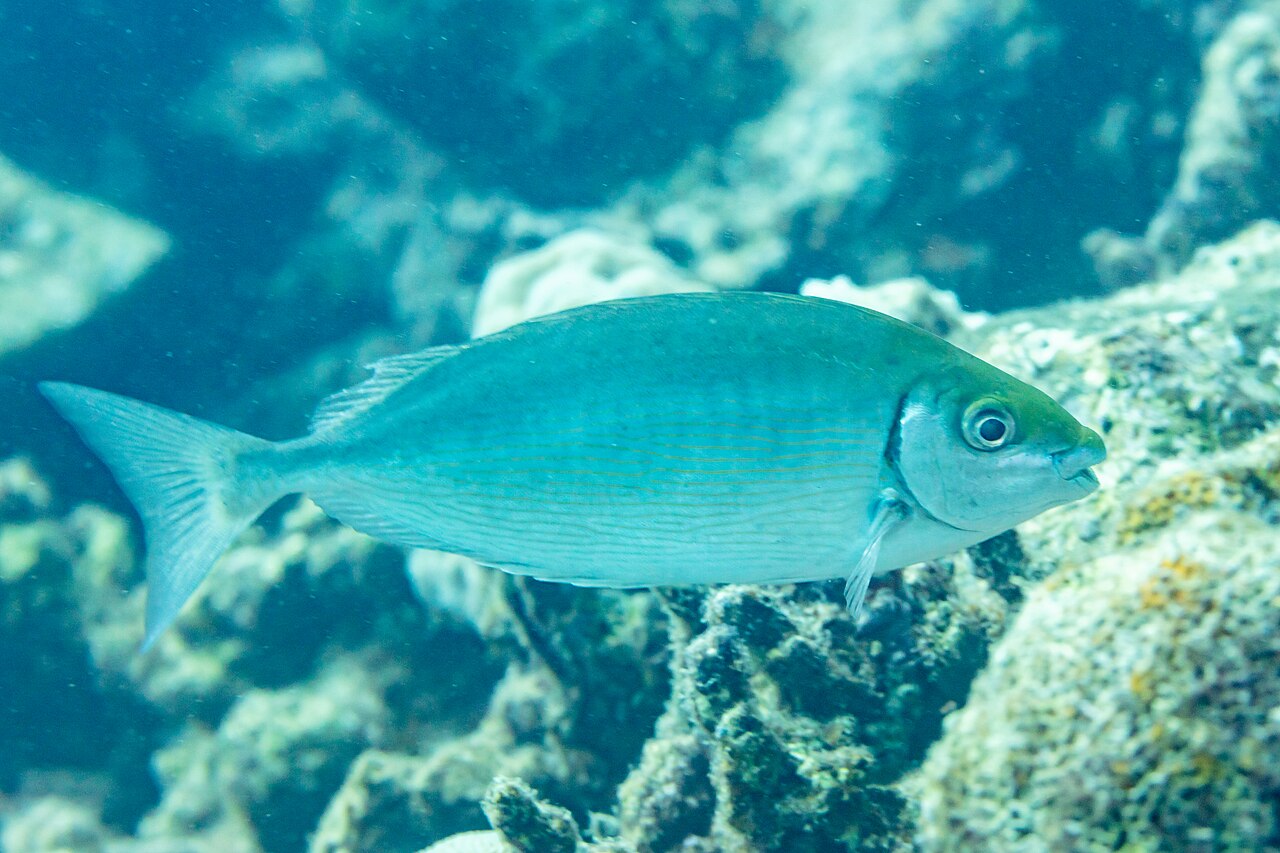
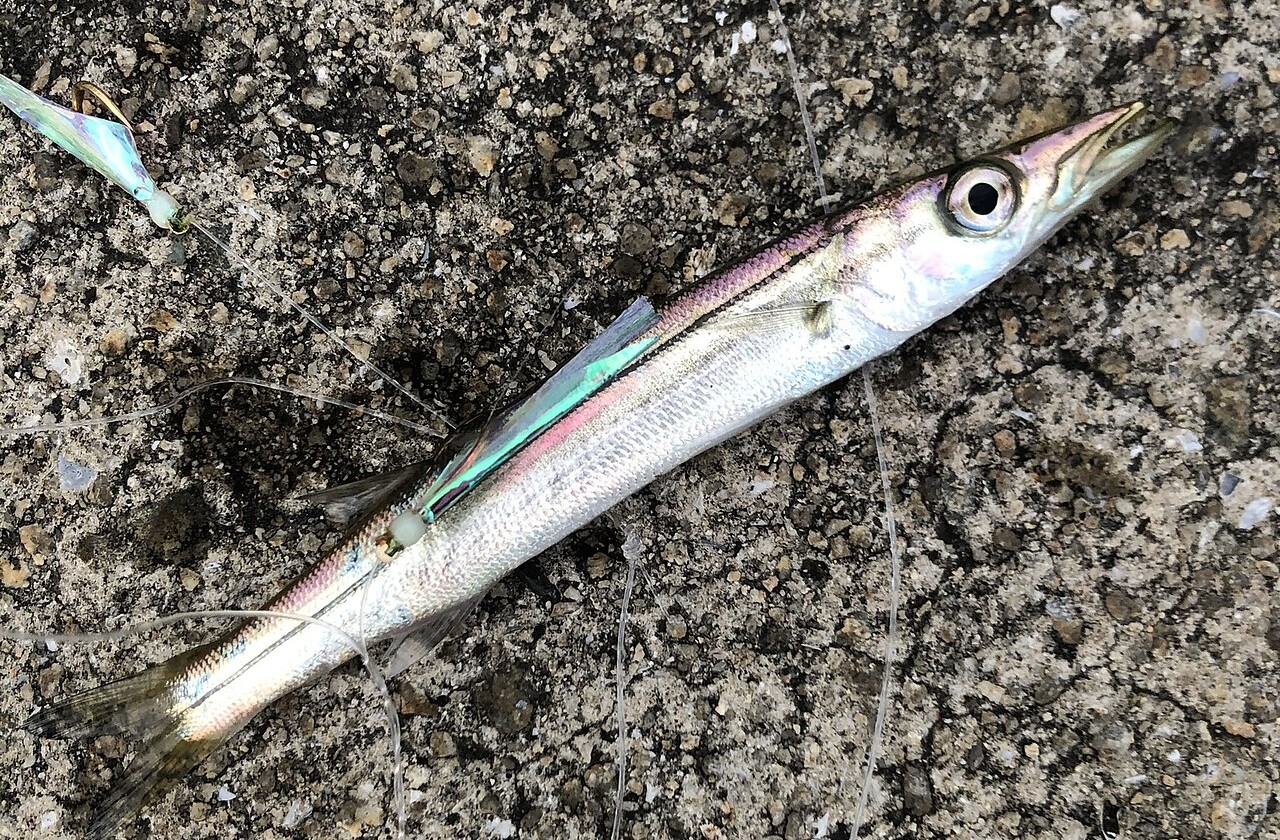
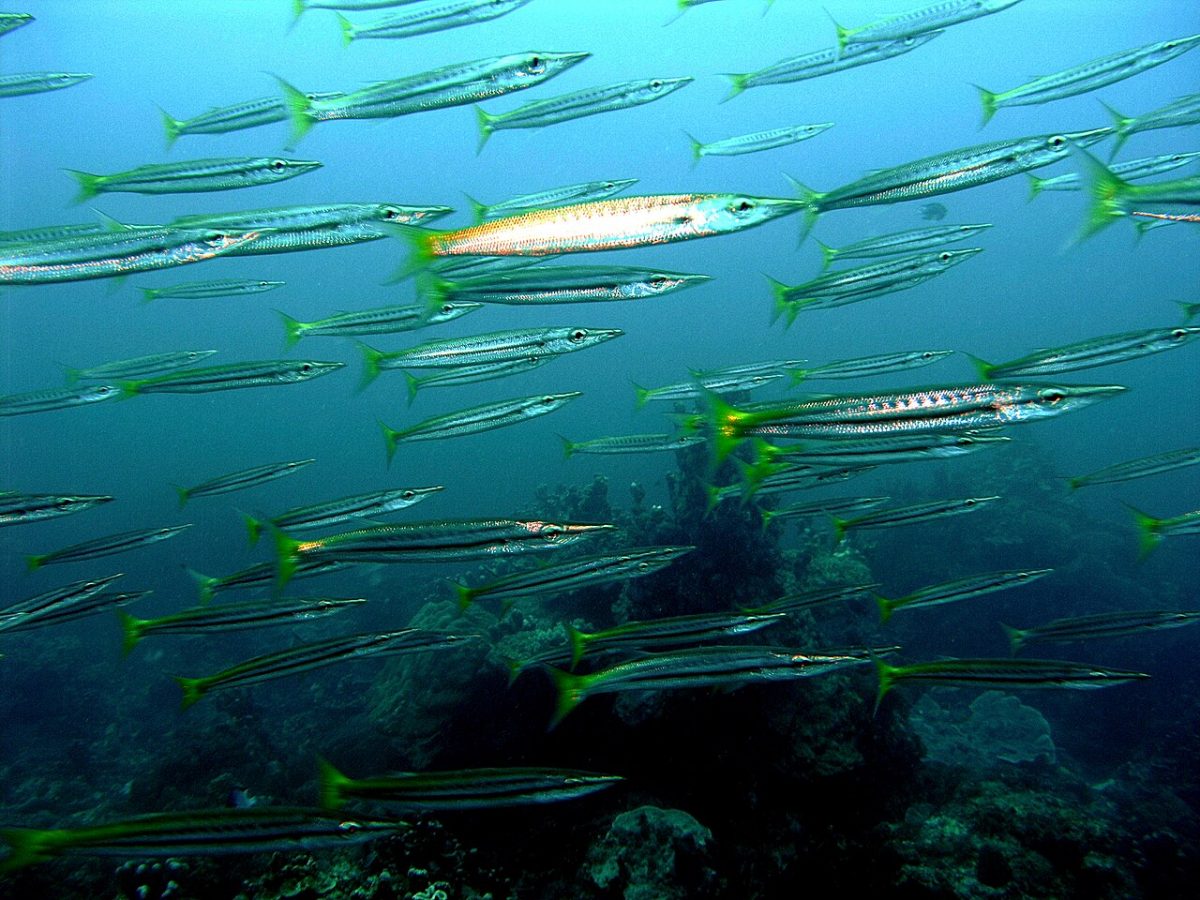
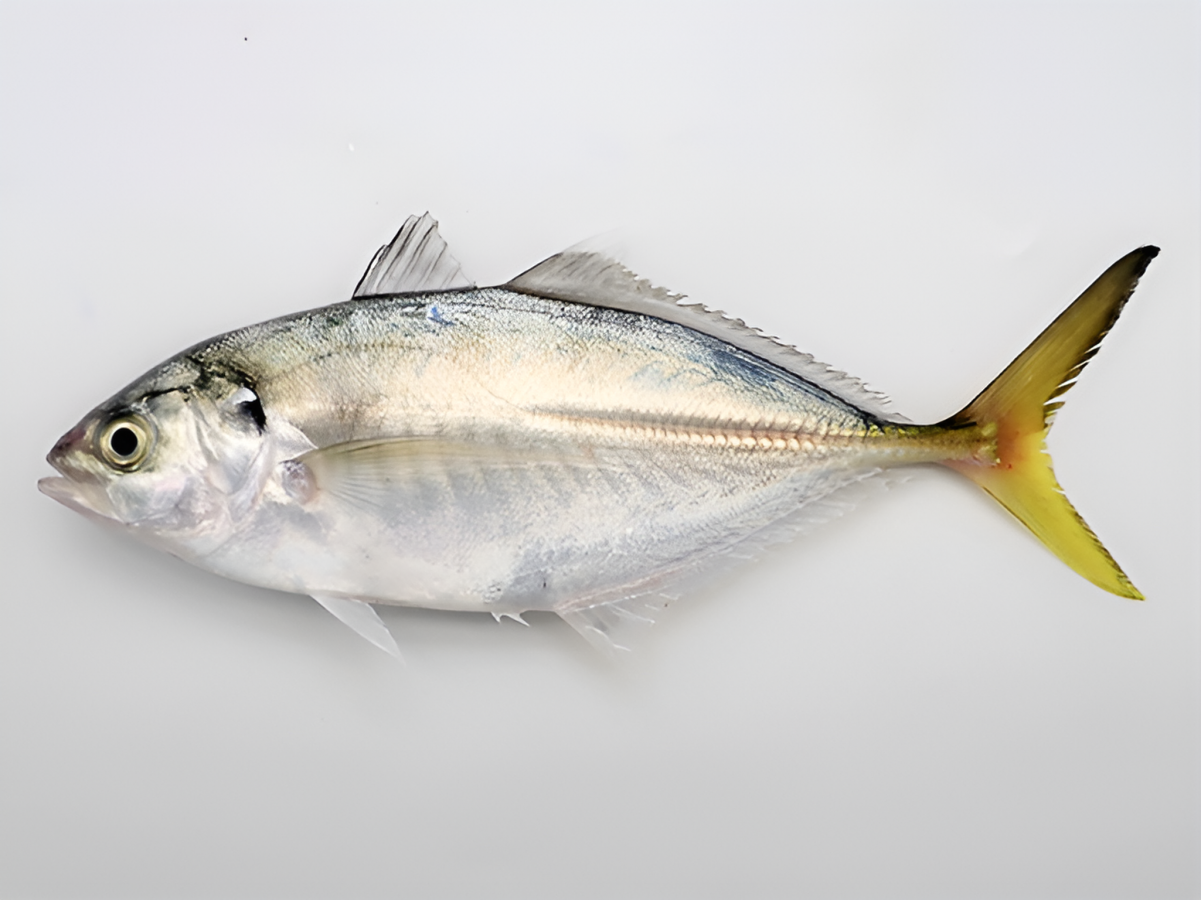
- Lesser Silver-breeze & Yellowstripe Barracuda (Sphyraena chrysotaenia & Sphyraena flavicauda): These tropical barracudas have successfully established themselves, forming schools that dominate the shallow coastal waters.
- Shrimp Scad (Alepes djedaba): A jack that aggressively competes with our local mackerel and scads.
A Quick-ID Guide for Crete’s Waters
The Mediterranean is changing, and the species below are the ones you are most likely to encounter. If you see these, don’t play hero—observe from a distance and keep your hands to yourself.
The “High-Alert” List (Do Not Touch)
- Silver-cheeked Toadfish (Lagocephalus sceleratus): Look for a bullet-shaped, grey-to-silvery body with a distinct white belly. They have a permanent “frowning” mouth with four prominent, sharp teeth. Key cue: They are often seen hovering almost motionless, watching you with large, unblinking eyes.
- Lionfish (Pterois miles): You can’t miss them. They have long, fan-like pectoral fins and a series of sharp, needle-like spines along their back. Key cue: They have striking brown, white, and red vertical stripes. If you see those spines spread out, back away. They are venomous.
- Yellowspotted Puffer (Torquigener flavimaculosus): Smaller than the silver-cheeked variety, but shaped similarly. Look for yellow or dark spots along a sandy-colored body. Key cue: They often bury themselves in the sand, leaving only their eyes visible.
The “Look But Don’t Handle” List
- Bluespotted Cornetfish (Fistularia commersonii): Impossible to mistake. It’s an incredibly long, thin, pencil-shaped fish with a snout that makes up nearly a third of its body length. Key cue: They look like a swimming spear.
- Rabbitfish (Siganus luridus & Siganus rivulatus): These are oval-shaped, often found in small schools near rocky areas where they graze on algae. Key cue: They have dark, mottled coloring (often brownish or grey) and spines that can cause painful, though not deadly, stings.
Why Identification Matters
You aren’t expected to be a marine biologist. The rule of thumb is simple: If a fish looks “wrong” for the Mediterranean—if it’s hyper-colorful, oddly shaped, or acts overly curious—treat it as an invasive predator.
- Keep your distance: Most of these fish are territorial. If they start moving toward you, they are likely defending a patch of reef or an algae bed.
- Keep your feet up: When wading in shallow, rocky areas, avoid dangling your feet. Many of these fish are ambush predators that rely on camouflage.
- No shiny jewelry: As mentioned before, these fish are attracted to the flash of metal. It looks like the scales of smaller fish. Leave the watch and the bracelets on the sand.
We often look at the sea as a permanent, unchanging mirror of our island’s history. But the ocean is fluid, and it is currently undergoing one of the most transformative ecological shifts in modern times. When we lose our native species to these invaders, we don’t just lose fish; we lose the unique character of our reefs. To love the Cretan sea is to recognize that it is no longer the Mediterranean it once was—and that protecting what remains requires a far more honest look at what is lurking just beneath the surface.
